
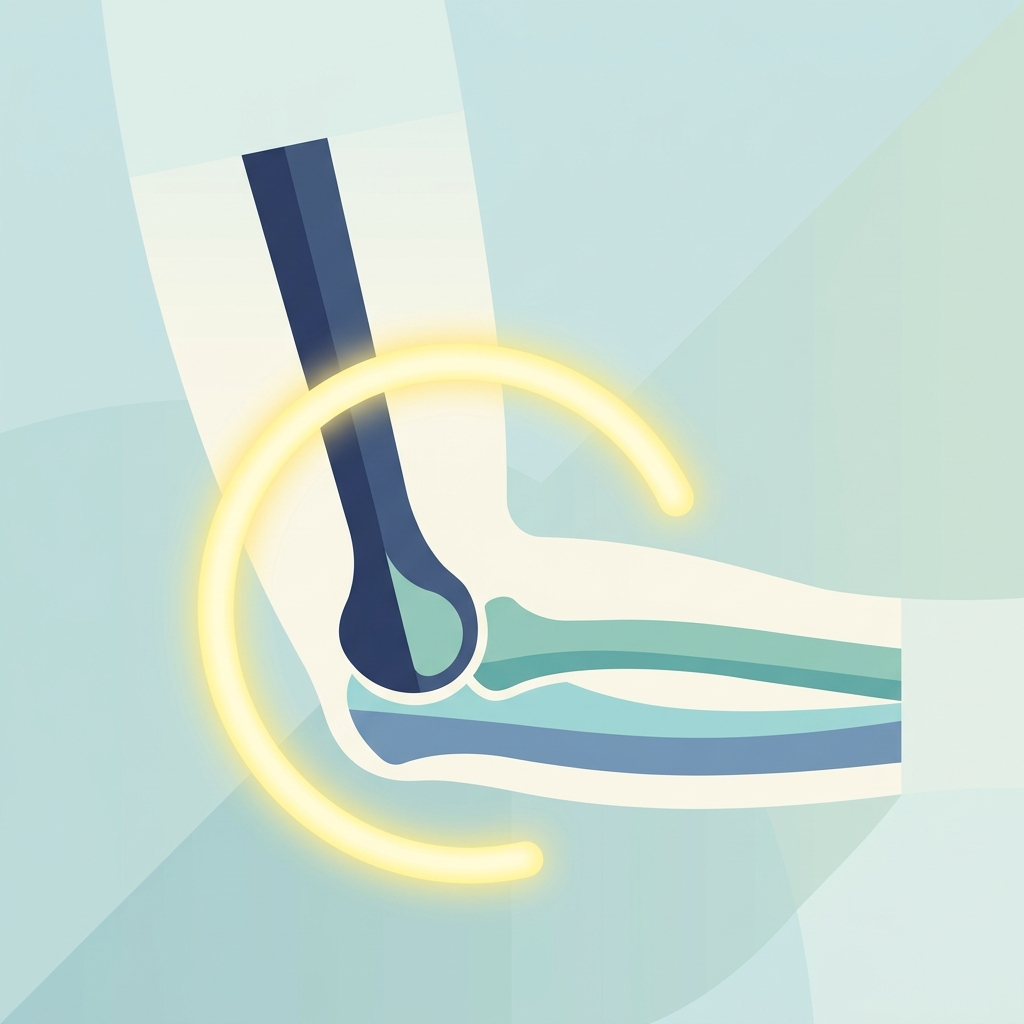
Simple and Complex Elbow Dislocation
Get Clear, Concise Answers to Your Top Questions About Simple and Complex Elbow Dislocation
Q1. What is an elbow dislocation?
An elbow dislocation occurs when the bones that form the elbow joint are forced out of their normal alignment. The elbow is a stable hinge joint made up of three bones: the humerus (upper arm bone), the radius (forearm bone on the thumb side), and the ulna (forearm bone on the pinky side). A dislocation typically happens when extreme force pulls or pushes these bones apart, stretching or tearing the surrounding ligaments.
Q2. What is the difference between a simple and a complex elbow dislocation?
The difference lies in whether there are associated broken bones:
- Simple Elbow Dislocation: The joint bones are pushed out of place, and there is damage to the surrounding ligaments and joint capsule, but there are no associated bone fractures (breaks).
- Complex Elbow Dislocation: The joint is dislocated and is accompanied by one or more fractures of the elbow bones (such as the radial head, coronoid process, or olecranon). Complex dislocations cause more severe damage to both the ligaments and bones, making the joint highly unstable and almost always requiring surgery to repair.
Q3. What are the common causes of an elbow dislocation?
Elbow dislocations are usually caused by high-impact trauma. Common causes include:
- Falls: Falling onto an outstretched hand (FOOSH), where the body weight forces the elbow joint out of alignment.
- Sports Injuries: High-contact sports like football, gymnastics, wrestling, or snowboarding where falls or direct blows are common.
- Motor Vehicle Accidents: The force of a car collision can easily cause the joint to dislocate.
Q4. What are the symptoms of a dislocated elbow?
The symptoms of a dislocated elbow are immediate and severe:
- Extreme pain in the elbow and forearm.
- A visible deformity (the elbow looks crooked or out of shape).
- Inability to bend or straighten your arm.
- Rapid swelling and bruising around the joint.
- Numbness, tingling, or weakness in the hand or fingers if nerves are compressed or stretched.
Q5. What should I do immediately if I suspect my elbow is dislocated?
If you suspect your elbow is dislocated, treat it as a medical emergency:
- Do not attempt to push the bones back into place yourself. Doing so can cause permanent damage to nerves, blood vessels, and cartilage.
- Keep the arm completely still by cradling it with your other hand or using a makeshift sling.
- Apply an ice pack wrapped in a cloth to help reduce swelling.
- Seek immediate emergency medical care at the nearest hospital or urgent care clinic.
Q6. How is an elbow dislocation diagnosed?
In the emergency room, a doctor will:
- Perform a physical exam to check for swelling, deformity, and changes in blood flow and nerve function in your hand.
- Order X-rays to confirm the dislocation and check for any associated fractures (distinguishing between a simple and complex dislocation).
- Sometimes, order a CT scan or MRI after the elbow is put back in place to get a detailed look at bone fragments or ligament tears, especially if a complex dislocation or joint instability is suspected.
Q7. What is a "reduction" and how is a dislocated elbow put back in place?
A "reduction" is the medical procedure used to realign the dislocated bones.
- It is performed by a trained healthcare professional, usually in the emergency room.
- You will be given pain medications and/or sedatives to relax your arm muscles and keep you comfortable.
- The doctor will gently apply traction (pulling) and pressure to maneuver the bones back into their proper positions.
- Once reduced, another X-ray is taken to ensure the joint is properly aligned.
Q8. When is surgery needed for an elbow dislocation?
Surgery is required based on the stability of the elbow and whether bones are broken:
- Simple Dislocations: Usually do not require surgery. They are treated with a brief period of splinting followed by early rehabilitation exercises. Surgery is only needed if the joint remains unstable or if ligaments are completely torn and fail to heal.
- Complex Dislocations: Almost always require surgery. Because bones are fractured along with ligament damage, surgery is necessary to fix the broken bones and repair the ligaments to restore joint stability.
Q9. What types of surgeries are performed for complex elbow dislocations?
Surgical treatments for complex dislocations aim to rebuild the joint and may include:
- Open Reduction and Internal Fixation (ORIF): The surgeon realigns the bone fragments and secures them with metal plates, screws, or pins.
- Radial Head Replacement or Repair: If the head of the radius bone is severely shattered, it may be replaced with a metal implant.
- Ligament Repair or Reconstruction: Reattaching the torn lateral collateral ligament (LCL) or medial collateral ligament (MCL) to the bone.
- External Fixation: In rare, highly unstable cases, a temporary metal frame is placed outside the arm with pins through the bones to hold the joint in place while it heals.
Q10. How long does it take to recover from an elbow dislocation?
Recovery times vary depending on the severity of the injury:
- Simple Dislocations: Patients typically wear a splint or sling for 5 to 10 days, followed by physical therapy. Most people regain full or near-full function within 6 to 8 weeks, though mild stiffness can persist for several months.
- Complex Dislocations: Recovery is longer. It often takes 3 to 6 months (or more) of structured rehabilitation to rebuild strength, regain range of motion, and return to high-impact activities after surgery.
Q11. What does rehabilitation look like after an elbow dislocation?
Rehabilitation is a crucial part of recovery to prevent permanent stiffness:
- Early Movement: For simple dislocations, gentle range-of-motion exercises (bending and straightening) start within a few days of reduction.
- Structured Physical Therapy: A therapist will guide you through exercises to improve flexibility and strengthen the muscles surrounding the elbow, shoulder, and wrist.
- Splints: You may wear a removable splint between exercises to protect the joint.
- Patience: It is important to advance exercises gradually as guided by your care team to avoid destabilizing the joint.
Q12. What are the potential complications of an elbow dislocation?
Complications can include:
- Elbow Stiffness: This is the most common complication. Early motion exercises are key to minimizing long-term stiffness.
- Joint Instability: A feeling that the elbow is loose or could pop out again, caused by poorly healed ligaments.
- Nerve Injury: The ulnar or median nerves can be stretched or compressed, causing temporary numbness or weakness. Permanent nerve damage is rare.
- Heterotopic Ossification: A rare condition where new bone grows in the soft tissues around the joint, restricting movement.
- Post-Traumatic Arthritis: Wear and tear on the joint cartilage over time, especially after complex dislocations.
Q13. Can a dislocated elbow happen again (recurrent instability)?
Yes, although it is less common with simple dislocations that are properly rehabilitated. If the ligaments do not heal tightly, or if a complex dislocation is not surgically stabilized, the elbow may remain loose. This can lead to recurrent subluxation (partial sliding out of joint) or repeat dislocations during everyday movements or sports.
Q14. How can I prevent a repeat elbow dislocation?
To reduce the risk of a repeat injury:
- Strictly follow your physical therapy program to ensure the muscles supporting your elbow are strong and stable.
- Wear protective elbow pads or braces if returning to contact or high-risk sports.
- Avoid activities that put excessive twisting or pulling forces on the arm until your doctor clears you.
- Maintain good upper-body strength and conditioning.
Q15. When can I return to sports or normal daily activities?
Your return depends on the type of dislocation and your progress:
- Light daily activities: Can often be resumed within a few weeks, once pain and swelling subside.
- Non-contact sports (e.g., running, swimming): Typically allowed within 6 to 8 weeks for simple dislocations.
- Contact or high-impact sports (e.g., hockey, football, gymnastics): Usually require 3 to 6 months of recovery, full strength, pain-free range of motion, and clearance from your orthopaedic surgeon.
We encourage you to write down any specific questions you have and discuss them thoroughly with your surgeon, doctor, or physical therapist. They are your best resource for personalized advice and care.
Disclaimer: This brochure provides general information and is not a substitute for professional medical advice. Always consult your doctor or qualified healthcare provider with any questions you may have regarding your specific medical condition and treatment plan.

Related articles
Browse all articlesTrusted External Resources
Curated educational materials to help you make informed decisions about your orthopaedic bone & joint conditions.

Orthopaedia
Orthogate Patient Education