
Olecranon Fracture
Get Clear, Concise Answers to Your Top Questions About Olecranon Fractures
Q1. What is an olecranon fracture?
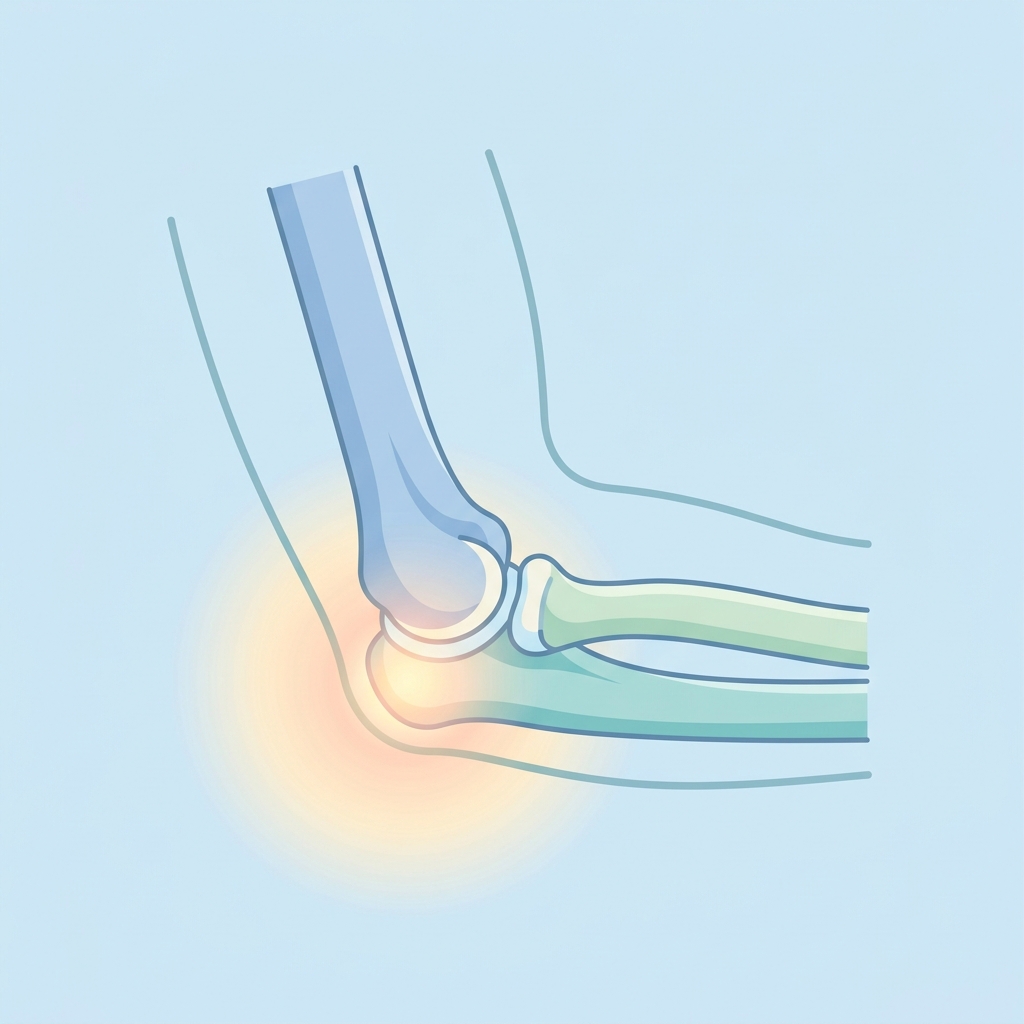
An olecranon fracture is a break in the prominent, bony tip of the elbow. This bony point is part of the ulna, one of the two bones in your forearm. Because the olecranon sits directly under the skin with very little muscle or fat covering it, it is highly vulnerable to breaking if you experience a direct blow to the elbow or fall onto an outstretched hand.
Q2. Where is the olecranon, and what is its function?
The olecranon is the cup-shaped bony tip at the top of the ulna bone in the forearm. It forms the hinge of the elbow joint and acts as a shield to protect the joint. It also serves as the attachment point for the triceps muscle, which is the large muscle on the back of your upper arm. The triceps pulls on the olecranon to help you straighten your arm.
Q3. What are the common causes of an olecranon fracture?
Olecranon fractures are usually caused by sudden trauma. Common causes include:
- A direct fall onto the tip of the elbow.
- A hard, direct blow to the elbow (such as from a car accident or sports contact).
- Falling onto an outstretched arm with the triceps muscle contracted, which can pull the bone apart.
Q4. What are the typical symptoms of an olecranon fracture?
If you have broken your olecranon, you will likely experience:
- Sudden, severe pain in the back of the elbow.
- Swelling and bruising over the bony tip.
- Tenderness when touching the elbow.
- Inability or difficulty straightening your elbow.
- A feeling of instability in the joint.
- Numbness or tingling in one or more fingers (especially the ring and pinky fingers) if the nearby ulnar nerve is irritated.
Q5. How is an olecranon fracture diagnosed?
A doctor will diagnose an olecranon fracture through:
- Physical Examination: Checking your skin for cuts (open fractures), examining the swelling, and testing if you can gently move your fingers and wrist.
- X-rays: Standard X-rays of the elbow from different angles are the primary tool used to confirm the break, see if the bone pieces are out of place, and check for any other joint injuries.
Q6. What are the different types of olecranon fractures?
Fractures are classified based on how much the bone fragments have moved and the complexity of the break:
- Nondisplaced Fracture: The bone is cracked or broken, but the pieces remain in their normal position.
- Displaced Fracture: The bone pieces have separated or shifted out of alignment.
- Comminuted Fracture: The bone is broken into several smaller pieces.
- Open (Compound) Fracture: The bone fragments break through the skin, which requires urgent surgical cleaning to prevent infection.
Q7. Does an olecranon fracture always require surgery?
No, not all fractures require surgery. If the fracture is nondisplaced—meaning the bone pieces are still perfectly lined up and you are able to straighten your elbow—it can usually be treated successfully without surgery. However, because the triceps muscle constantly pulls on the olecranon, most displaced fractures do require surgery to restore the joint alignment and function.
Q8. What non-surgical treatment options are available for stable fractures?
For stable, nondisplaced fractures, treatment includes:
- Immobilization: Wearing a cast, splint, or removable brace for 3 to 4 weeks to keep the elbow bent at a specific angle and allow the bone to heal.
- Pain Management: Using over-the-counter pain relievers or prescribed medications to manage discomfort.
- Gradual Motion: Starting gentle elbow exercises under the guidance of a physician or physical therapist after a few weeks to prevent stiffness.
Q9. When is surgery necessary for an olecranon fracture?
Surgery is typically necessary if:
- The bone fragments are displaced (separated by more than 2 millimeters).
- The elbow joint is unstable or out of alignment.
- You are unable to straighten your arm because the triceps attachment is disrupted.
- The fracture is open, meaning there is a wound overlying the broken bone.
- The bone has broken into multiple pieces (comminuted fracture).
Q10. What does olecranon fracture surgery involve?
The most common surgical procedures are:
- Open Reduction and Internal Fixation (ORIF): The surgeon makes an incision over the back of the elbow, repositions the bone fragments, and secures them using metal plates, screws, or heavy wires (tension band wiring).
- Excision and Triceps Reattachment: In rare cases, if the broken bone pieces are too small to repair (often in elderly patients with fragile bones), the fragments are removed and the triceps tendon is reattached directly to the remaining ulna.
Q11. What is the typical recovery timeline after an olecranon fracture?
Bone healing generally takes about 6 to 8 weeks, but full recovery can take several months. A typical timeline is:
- Weeks 1 to 2: Pain and swelling decrease; gentle finger and wrist movements are encouraged.
- Weeks 2 to 6: Early, supervised elbow range-of-motion exercises begin.
- Weeks 6 to 12: The bone is mostly healed; active strengthening exercises start.
- Months 3 to 6: Continued strength training and gradual return to demanding activities.
Q12. What exercises and physical therapy are needed during rehabilitation?
Rehabilitation is key to regaining elbow mobility and strength. Physical therapy sessions will focus on:
- Passive Motion: Gently moving the elbow with assistance to keep the joint flexible.
- Active Motion: Using your own muscles to bend and straighten the elbow.
- Forearm Rotation: Exercises to turn your palm up and down.
- Strengthening: Progressing to resistance exercises using light weights or bands once the bone has healed sufficiently.
Q13. What are the potential complications of an olecranon fracture or its treatment?
Potential risks and complications include:
- Elbow Stiffness: Loss of full extension (straightening) is the most common issue.
- Hardware Irritation: The metal plates or wires can feel prominent under the skin and cause discomfort, sometimes requiring a second minor surgery to remove them after the bone is healed.
- Nonunion or Malunion: The bone failing to heal or healing in a poor position.
- Arthritis: Increased risk of wear-and-tear arthritis in the elbow joint later in life.
- Infection or Nerve Injury: Standard risks associated with any surgical procedure.
Q14. When can I return to normal daily activities, work, and sports?
This depends on the severity of the fracture and whether you had surgery:
- Light activities (e.g., writing, typing, eating) can often start within a couple of weeks, as long as you do not lift heavy objects.
- Light manual labor or driving may be permitted around 6 to 8 weeks.
- Heavy lifting, manual labor, and contact sports usually require waiting 3 to 4 months or until X-rays show complete bone healing.
Q15. What is the long-term outlook (prognosis) for recovery?
Most patients recover excellent function of their elbow after an olecranon fracture. While a slight loss of full straightening is common (usually a few degrees), it rarely affects daily arm function. Dedication to physical therapy and following your clinical team's instructions are the most important factors for achieving a successful outcome.
We encourage you to write down any specific questions you have and discuss them thoroughly with your surgeon, doctor, or physical therapist. They are your best resource for personalized advice and care.
Disclaimer: This brochure provides general information and is not a substitute for professional medical advice. Always consult your doctor or qualified healthcare provider with any questions you may have regarding your specific medical condition and treatment plan.

Related articles
Browse all articlesTrusted External Resources
Curated educational materials to help you make informed decisions about your orthopaedic bone & joint conditions.

Orthopaedia
Orthogate Patient Education