
Radial Tunnel Syndrome
Get Clear, Concise Answers to Your Top Questions About Radial Tunnel Syndrome
Q1. What is radial tunnel syndrome?
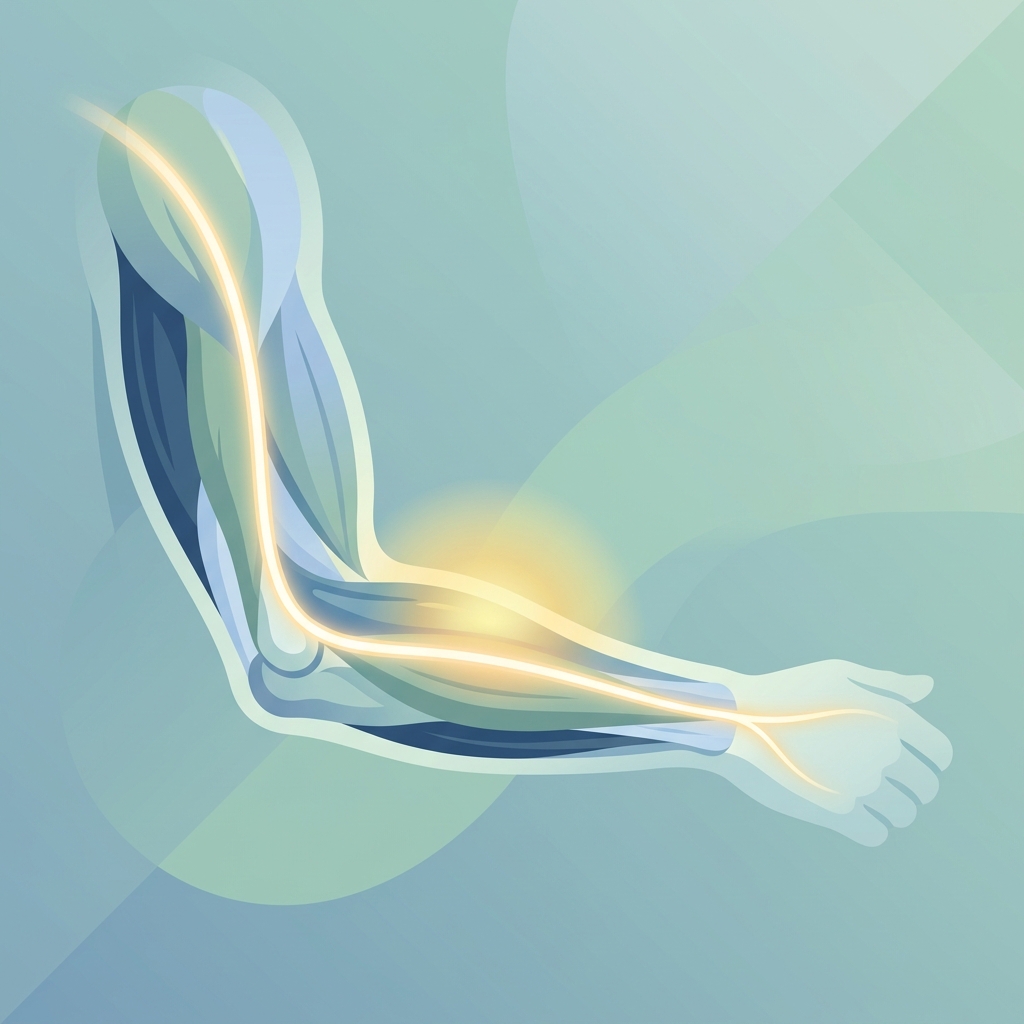
Radial tunnel syndrome is a condition that occurs when the radial nerve, one of the main nerves in your arm, becomes squeezed or compressed as it passes through a narrow space in your elbow and forearm called the radial tunnel. This compression leads to a deep, aching pain in your forearm and the outer side of your elbow.
Q2. What is the radial tunnel and where is it located?
The radial tunnel is a narrow passageway made of muscles, tendons, and bones. It is located on the outer (lateral) side of your elbow and extends down into the upper part of your forearm. The radial nerve travels through this tunnel to send signals to the muscles that control your wrist and fingers.
Q3. What causes radial tunnel syndrome?
Radial tunnel syndrome is usually caused by repetitive movements or pressure on the radial nerve. Common causes include:
- Repetitive wrist and arm motions, such as twisting, gripping, or hammering.
- Direct pressure on the nerve from tight muscle bands or anatomical variations.
- Swelling or inflammation in the tissues surrounding the nerve.
- Minor injuries or trauma to the elbow and forearm.
Q4. What are the common symptoms of radial tunnel syndrome?
The most common symptoms include:
- A deep, aching pain in the forearm, especially just below the elbow.
- Pain that worsens when you straighten your wrist, fingers, or rotate your forearm.
- Tenderness when pressing on the muscles on the outer side of your forearm.
- A feeling of fatigue or heaviness in your forearm muscles, especially after activity.
Unlike other nerve compression issues, radial tunnel syndrome rarely causes numbness or tingling.
Q5. How is radial tunnel syndrome different from tennis elbow?
While both conditions cause pain on the outer side of the elbow, they affect different structures:
- Tennis elbow: This is an inflammation of the tendons that connect your forearm muscles to the bone. The pain is centered directly on the bony bump (lateral epicondyle).
- Radial tunnel syndrome: This is nerve compression. The pain and tenderness are located about two inches further down the forearm, in the thickest part of the muscle.
It is common for the two conditions to exist at the same time, which is why a careful exam is needed.
Q6. Who is at risk for developing radial tunnel syndrome?
You may have a higher risk of developing radial tunnel syndrome if you:
- Perform repetitive tasks at work, such as assembly line work, typing, or heavy manual labor.
- Participate in sports that require repetitive forearm rotation or gripping, like tennis, golf, or weightlifting.
- Have naturally tight muscles or anatomical structures in your forearm.
- Have a history of inflammatory conditions or recent elbow injuries.
Q7. How is radial tunnel syndrome diagnosed?
Diagnosing radial tunnel syndrome can be challenging because there is no single test that can prove it. Dr. Veillette will perform a thorough clinical evaluation, which includes:
- A detailed medical history and discussion of your symptoms.
- Physical examination tests, such as resisting finger extension or forearm rotation, to see if they reproduce your pain.
- Pressing on specific spots along the radial tunnel to check for tenderness.
- Sometimes, an electromyogram (EMG) or nerve conduction study is ordered to rule out other nerve issues, though these tests are often normal in radial tunnel syndrome.
Q8. What non-surgical treatment options are available?
Most patients find relief with non-surgical treatments, which aim to reduce pressure and inflammation. These include:
- Resting from activities that aggravate your symptoms.
- Applying ice packs to the area for 15-20 minutes at a time to reduce swelling.
- Taking over-the-counter anti-inflammatory medications (NSAIDs) if recommended by your doctor.
- Wearing a splint or brace at night to keep your wrist still and reduce strain on the nerve.
- Modifying your workspace or movement patterns to avoid repetitive twisting and gripping.
Q9. Can physical therapy help with radial tunnel syndrome?
Yes, physical therapy is a key part of recovery. A therapist can design a specialized program to help you:
- Gently stretch and strengthen the muscles in your forearm, wrist, and hand.
- Perform nerve gliding exercises, which help the radial nerve move more smoothly through the tunnel.
- Learn proper ergonomics and movement techniques to reduce stress on your arm.
- Use modalities like ultrasound or heat therapy to relax tight muscles and promote healing.
Q10. When should I consider surgery for radial tunnel syndrome?
Surgery is usually considered a last resort. Dr. Veillette may recommend surgery if:
- You have tried conservative treatments for several months (usually 3 to 6 months) without significant improvement.
- Your pain is severe and significantly interferes with your daily activities, sleep, or work.
- There is evidence of progressive muscle weakness in your forearm or hand.
Q11. What does surgery for radial tunnel syndrome involve?
The surgery is called radial tunnel release. It is typically performed as an outpatient procedure under local or general anesthesia. During the surgery:
- A small incision is made on the outer side of your forearm or elbow.
- The surgeon identifies the radial nerve and carefully cuts any tight bands of tissue or muscle fibers that are pressing on it.
- This releases the pressure on the nerve, giving it room to heal.
- The incision is then closed with sutures and covered with a dressing.
Q12. What is the recovery time after surgery?
Recovery varies, but a general timeline includes:
- First 1-2 weeks: Keeping your arm elevated and resting, with gentle movement of your fingers and wrist.
- 2-6 weeks: Beginning structured physical therapy to regain range of motion and reduce scar tissue.
- 6-12 weeks: Gradually starting light strengthening exercises and returning to daily activities.
Full recovery and return to heavy lifting or strenuous sports can take 3 to 6 months, depending on your job and hobbies.
Q13. Are there exercises or stretches I can do at home?
Yes, once cleared by your doctor or therapist, you can perform simple exercises at home:
- Wrist Extensor Stretch: Hold your arm straight out with your palm down, and gently use your other hand to pull your fingers and hand down toward the floor. Hold for 20-30 seconds.
- Forearm Rotation: Gently turn your palm up and down, holding for a few seconds at each end.
- Radial Nerve Glides: Under guidance, perform specific gentle movements that ease nerve tension.
Stop any exercise immediately if it causes sharp pain or increases your symptoms.
Q14. How can I prevent radial tunnel syndrome from returning?
You can lower the risk of recurrence by:
- Taking frequent breaks during repetitive tasks to rest your arm.
- Setting up your workstation ergonomically to keep your wrist in a neutral, relaxed position.
- Avoiding prolonged, forceful gripping or twisting of your wrist.
- Continuing your stretching routine to keep your forearm muscles flexible.
- Maintaining good posture to prevent neck and shoulder tension that can affect your arms.
Q15. What is the long-term outlook for someone with radial tunnel syndrome?
The long-term outlook is generally excellent. The vast majority of people recover fully with conservative care and lifestyle adjustments. For those who require surgery, success rates are high, with most patients experiencing significant pain relief and a return to their normal activities once recovery is complete.
We encourage you to write down any specific questions you have and discuss them thoroughly with your surgeon, doctor, or physical therapist. They are your best resource for personalized advice and care.
Disclaimer: This brochure provides general information and is not a substitute for professional medical advice. Always consult your doctor or qualified healthcare provider with any questions you may have regarding your specific medical condition and treatment plan.

Related articles
Browse all articlesTrusted External Resources
Curated educational materials to help you make informed decisions about your orthopaedic bone & joint conditions.

Orthopaedia

Orthogate Patient Education