Valgus Extension Overload
Get Clear, Concise Answers to Your Top Questions About Valgus Extension Overload
Q1. What is Valgus Extension Overload (VEO)?
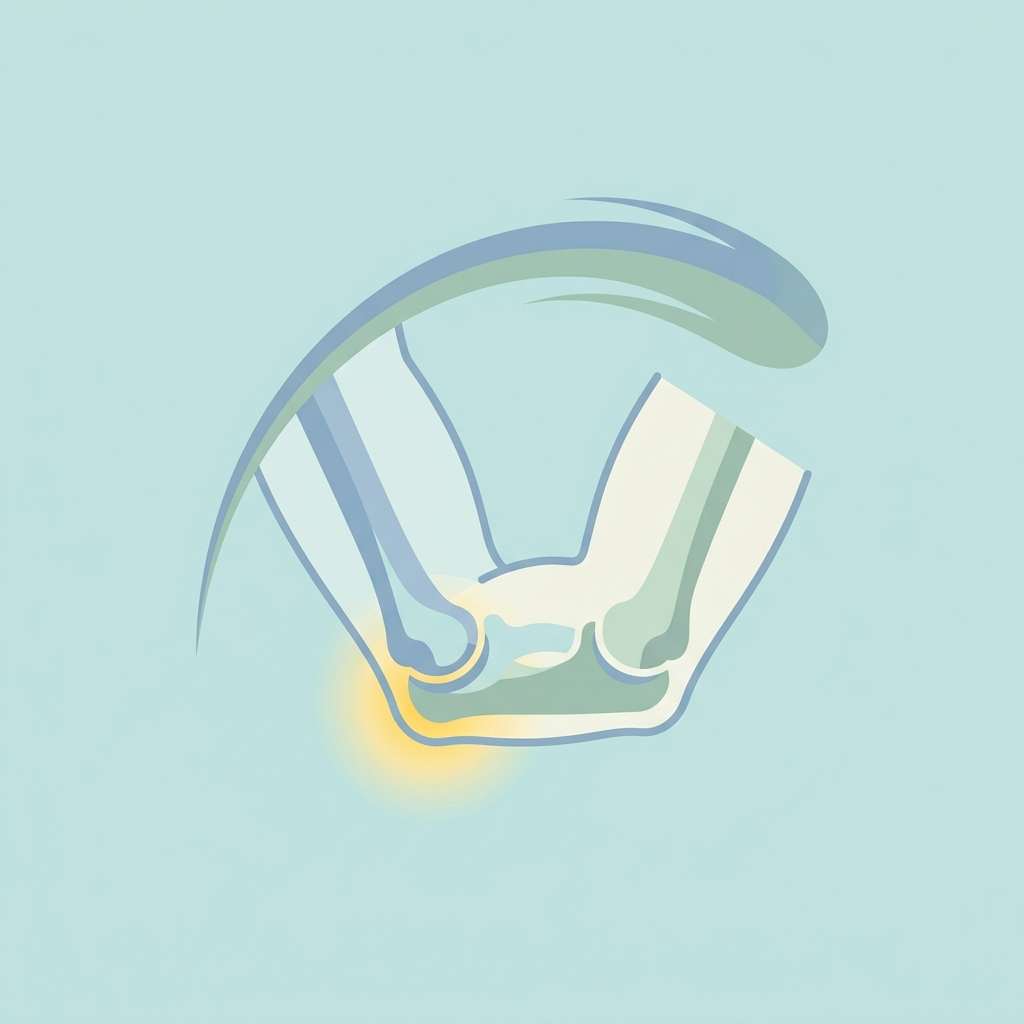
Valgus Extension Overload (VEO), often called pitcher's elbow, is a condition that affects the back of the elbow. It occurs due to repetitive throwing, where the tip of the elbow bone (the olecranon) is forced into its socket (the olecranon fossa) with high pressure. Over time, this constant banging wears away protective cartilage and leads to the growth of painful bone spurs.
Q2. What causes Valgus Extension Overload?
Valgus extension overload is caused by the repetitive, high-speed throwing motion. During the late stage of throwing (the deceleration phase), the elbow is forced to straighten very rapidly while also being pushed outward (valgus force). This action causes the bones in the back of the elbow joint to repeatedly slam into each other, leading to inflammation and bone spur formation.
Q3. Who is most commonly affected by VEO?
VEO is most common in overhead athletes whose sports involve repetitive throwing. Those most frequently affected include:
- Baseball pitchers and position players
- Javelin throwers
- Quarterbacks
- Racquet sport athletes
- Volleyball players
Q4. What are the common symptoms of Valgus Extension Overload?
Patients with VEO typically experience symptoms that gradually worsen over time, including:
- Pain in the back of the elbow, especially when throwing or trying to fully straighten the arm
- A feeling of the elbow 'locking' or 'catching'
- Loss of throwing velocity or control
- Swelling or tenderness at the back and inner parts of the elbow
- Stiffness and inability to fully extend the elbow
Q5. How does VEO relate to Ulnar Collateral Ligament (UCL) injuries?
The UCL is the main ligament on the inner side of the elbow that stabilizes it during throwing. If the UCL becomes stretched, frayed, or torn, it cannot support the joint properly. This instability allows the bones to shift slightly and collide with even greater force at the back of the elbow, making VEO symptoms worse and more likely to develop.
Q6. How is Valgus Extension Overload diagnosed?
Diagnosis begins with a thorough clinical examination by an elbow specialist. Your doctor will:
- Discuss your sports participation, training history, and symptoms
- Check your elbow's range of motion, looking for loss of extension
- Press on specific areas in the back of the elbow to see if it triggers pain
- Perform stability tests to check the health of your UCL
Q7. What imaging tests are used to diagnose VEO?
To confirm the diagnosis and check for bone spurs or ligament damage, the following imaging tests are typically ordered:
- X-rays: These are excellent for showing bone spurs (osteophytes) at the back of the elbow.
- MRI (Magnetic Resonance Imaging): An MRI helps assess cartilage wear, fluid buildup, and any associated injuries to the UCL or surrounding tendons.
- CT scan: Occasionally used to get a detailed 3D view of the bone spurs to help plan surgery.
Q8. Can Valgus Extension Overload lead to long-term elbow damage?
Yes. If left untreated, the constant bone-on-bone impact can lead to permanent cartilage damage and early osteoarthritis in the elbow. Bone spurs can also break off and become 'loose bodies' in the joint, causing the elbow to lock up, catch, or swell suddenly.
Q9. What are the non-surgical treatment options for VEO?
Initial treatment almost always starts with conservative measures, which include:
- Rest: Taking a temporary break from throwing or overhead activities to allow inflammation to settle.
- Physical Therapy: Focusing on strengthening the shoulder, forearm, and core muscles, and improving throwing mechanics.
- Medication: Nonsteroidal anti-inflammatory drugs (NSAIDs) to manage pain and swelling.
- Injections: Sometimes, a corticosteroid injection is used to temporarily reduce severe inflammation in the joint.
Q10. When is surgery recommended for Valgus Extension Overload?
Surgery is typically recommended if:
- Conservative treatments (rest and physical therapy) fail to relieve pain after several months
- Bone spurs are large, causing the elbow to lock or catch
- Loose pieces of bone or cartilage have broken off inside the joint
- You cannot return to throwing at your desired level due to pain
Q11. What surgical procedure is performed for VEO?
The most common surgery for VEO is a minimally invasive procedure called elbow arthroscopy. During this procedure, the surgeon makes small incisions and inserts a tiny camera and specialized instruments to:
- Remove painful bone spurs (debridement)
- Shave down the tip of the elbow bone (olecranon osteoplasty) to stop it from colliding
- Remove any loose bone or cartilage fragments
- Clean up inflamed tissue inside the joint
Q12. What is the recovery time after surgery for Valgus Extension Overload?
Recovery depends on whether other structures, like the UCL, were also repaired. For an isolated arthroscopic cleanup (debridement) of bone spurs, athletes can often start light tossing at 6 to 8 weeks, with a goal of returning to competitive throwing in 3 to 4 months. If UCL reconstruction (Tommy John surgery) is also required, recovery will take 12 to 18 months.
Q13. What does rehabilitation look like after surgery?
Rehabilitation is divided into phases to safely guide you back to your sport:
- Phase 1 (Weeks 1-2): Protecting the joint, reducing swelling, and gently regaining full range of motion.
- Phase 2 (Weeks 3-6): Strengthening the forearm, shoulder, and core muscles, and ensuring the elbow can fully straighten.
- Phase 3 (Weeks 6-12): Advanced strengthening and starting a structured, progressive interval throwing program.
Q14. How can athletes prevent Valgus Extension Overload from recurring?
Prevention requires focusing on proper technique and joint protection:
- Work with a coach to ensure correct throwing mechanics (avoiding 'opening up' too early)
- Maintain strong shoulder, scapular, and core muscles to absorb throwing forces
- Adhere to strict pitch counts and allow adequate rest between throwing sessions
- Perform regular stretching and mobility exercises to maintain elbow flexibility
Q15. Can I return to throwing at the same level after treating VEO?
Yes. The majority of athletes who undergo arthroscopic bone spur removal for VEO are able to return to their pre-injury level of play, provided they complete their rehabilitation and correct any underlying flaws in their throwing mechanics or ligament instability.
We encourage you to write down any specific questions you have and discuss them thoroughly with your surgeon, doctor, or physical therapist. They are your best resource for personalized advice and care.
Disclaimer: This brochure provides general information and is not a substitute for professional medical advice. Always consult your doctor or qualified healthcare provider with any questions you may have regarding your specific medical condition and treatment plan.

Related articles
Browse all articlesTrusted External Resources
Curated educational materials to help you make informed decisions about your orthopaedic bone & joint conditions.

Orthopaedia
Orthogate Patient Education