
Intra-articular Loose Bodies
Get Clear, Concise Answers to Your Top Questions About Intra-articular Loose Bodies
Q1. What are intra-articular loose bodies in the elbow?
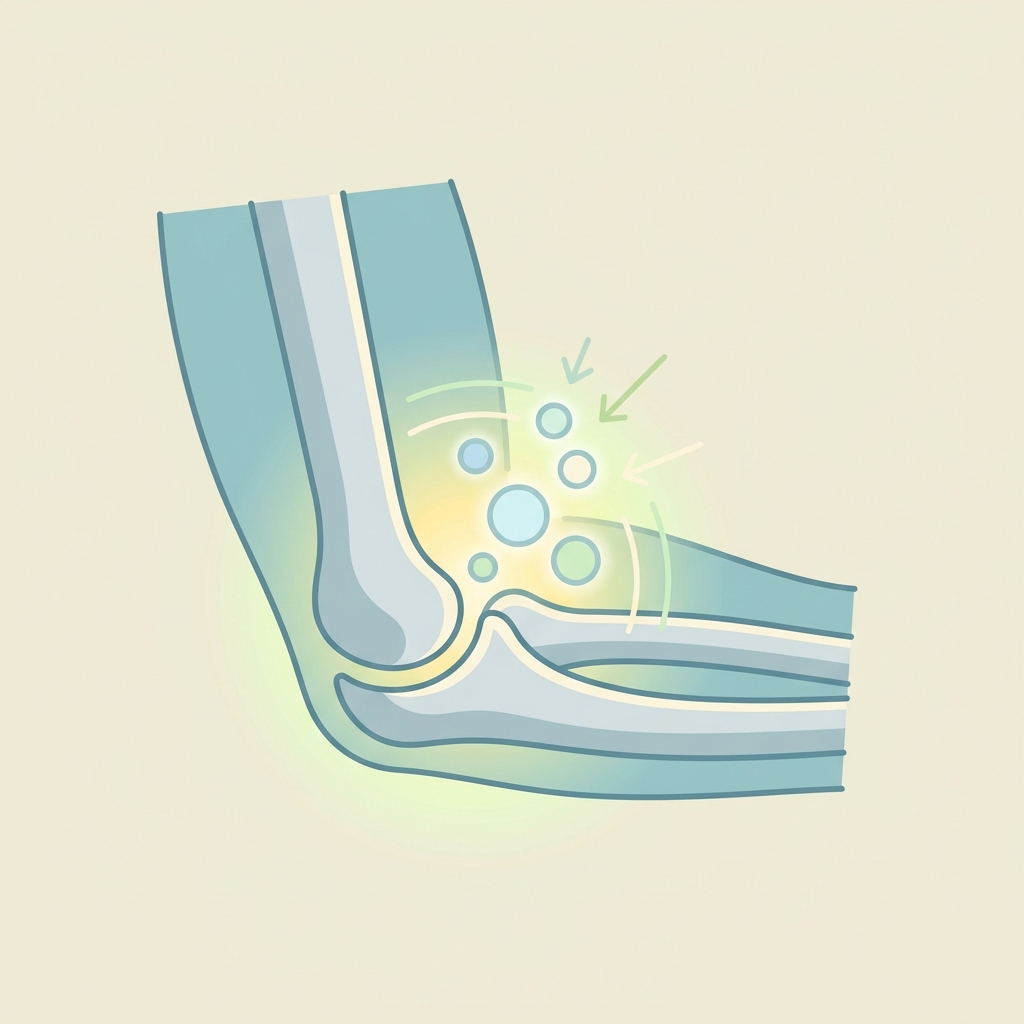
Intra-articular loose bodies are loose fragments of bone, cartilage, or both that have detached and float inside the fluid of the elbow joint. Sometimes called "joint mice," these fragments can vary in size from a small grain of sand to a large pebble. They can move around the joint, sometimes getting caught between the moving surfaces of the elbow.
Q2. What causes loose bodies to form in the elbow joint?
Loose bodies typically form due to joint wear, injury, or specific medical conditions. The most common causes include:
- Trauma or injury, such as a fracture or dislocation that chips off bone or cartilage
- Osteoarthritis or rheumatoid arthritis, which causes joint wear and tear
- Osteochondritis dissecans (OCD), a condition where a small segment of bone and cartilage loses its blood supply and detaches
- Synovial chondromatosis, a rare condition where the joint lining itself starts producing cartilage fragments
Q3. What are the common symptoms of loose bodies in the elbow?
Symptoms can vary depending on where the loose body is floating. Common symptoms include:
- Pain in the elbow that comes and goes or gets worse with movement
- A feeling of the elbow catching, clicking, or popping
- Swelling and tenderness around the joint
- Reduced range of motion, making it hard to fully bend or straighten your arm
- Locking, where the elbow temporarily becomes stuck in one position
Q4. What does it feel like when the elbow "locks" or "catches"?
Catching feels like a sudden block or snag when you try to move your elbow. Locking occurs when a loose fragment gets physically wedged between the moving bones of the joint, preventing you from bending or straightening your arm. This is often accompanied by a sharp pain, which may resolve once the fragment shifts back into a non-obstructive part of the joint.
Q5. Who is most likely to develop loose bodies in the elbow?
Anyone can develop loose bodies, but certain groups are at higher risk:
- Athletes who perform repetitive throwing or overhead movements, such as baseball pitchers or gymnasts
- People who have experienced previous elbow injuries, fractures, or dislocations
- Individuals with joint diseases like osteoarthritis or rheumatoid arthritis
- Active children or adolescents with conditions like osteochondritis dissecans
Q6. How are loose bodies in the elbow diagnosed?
To diagnose loose bodies, your doctor will perform a physical exam and recommend imaging tests:
- X-rays, which can show larger fragments containing bone
- MRI (Magnetic Resonance Imaging) or CT scans, which help detect smaller or purely cartilage fragments that do not show up on normal X-rays
- Diagnostic arthroscopy, which uses a tiny camera inserted into the joint to visually inspect the elbow space
Q7. What happens if loose bodies in the elbow are left untreated?
If left untreated, loose bodies can act like gravel in a machine, causing progressive damage. Over time, they can wear away the smooth cartilage lining of the elbow, leading to:
- Chronic, worsening pain and stiffness
- Accelerated joint wear and tear
- Early onset of elbow osteoarthritis
- Permanent loss of joint mobility
Q8. Can loose bodies in the elbow go away on their own?
No, loose bodies do not dissolve or go away on their own. Once a piece of bone or cartilage has detached from the joint surface, it loses its blood supply and cannot reattach. While a loose body may shift into a corner of the joint and stop causing symptoms for a while, it remains inside the elbow and can cause issues again at any time.
Q9. What non-surgical treatment options are available?
If the loose bodies are small and not causing pain or blocking joint movement, non-surgical management may be considered. Options include:
- Activity modification to avoid movements that cause catching or pain
- Physical therapy to strengthen the muscles around the elbow and maintain flexibility
- Nonsteroidal anti-inflammatory drugs (NSAIDs) to manage pain and reduce swelling
- Monitoring the joint with regular checkups and imaging
Q10. When is surgery recommended for loose bodies in the elbow?
Surgery is recommended if the loose bodies are causing mechanical symptoms like locking or catching, causing persistent pain, or limiting your ability to perform daily activities. Removing the fragments is also essential to prevent long-term wear and tear and protect the joint cartilage from osteoarthritis.
Q11. What surgical procedure is used to remove loose bodies?
The most common and effective procedure is elbow arthroscopy. This is a minimally invasive surgery where the surgeon makes a few small incisions (about the size of a keyhole) around the elbow. They insert a tiny camera called an arthroscope and specialized miniature instruments to locate and remove the loose fragments from the joint.
Q12. What are the benefits and risks of elbow arthroscopy for loose bodies?
Elbow arthroscopy offers several advantages over open surgery, though it carries some general risks. Benefits include:
- Less postoperative pain and stiffness
- Smaller scars and faster healing
- A quicker return to normal activities
Risks are rare but can include:
- Temporary or permanent nerve injury
- Infection or bleeding in the joint
- Persistent stiffness or pain
Q13. What is the recovery time after surgery to remove loose bodies?
Recovery is generally quick since the procedure is minimally invasive. Most patients can return home the same day. Within the first few days, you will focus on reducing swelling and performing gentle finger and wrist movements. Within 1 to 2 weeks, basic daily tasks can usually be resumed. Within 4 to 6 weeks, most patients can return to light recreational activities and work, with full recovery taking up to 12 weeks.
Q14. Will I need physical therapy after the procedure?
Yes, physical therapy is often recommended to help you recover fully. A physical therapist will guide you through exercises designed to:
- Restore the full range of motion of your elbow
- Rebuild strength in your arm and forearm muscles
- Ensure proper joint mechanics and prevent long-term stiffness
The length of therapy depends on the extent of joint damage prior to surgery.
Q15. Can loose bodies in the elbow return after treatment?
While the surgical removal of existing loose bodies is highly successful, new loose bodies can form in the future. This is especially true if you have an underlying condition like severe osteoarthritis or synovial chondromatosis, or if you continue to participate in activities that subject the elbow to repetitive trauma or stress.
We encourage you to write down any specific questions you have and discuss them thoroughly with your surgeon, doctor, or physical therapist. They are your best resource for personalized advice and care.
Disclaimer: This brochure provides general information and is not a substitute for professional medical advice. Always consult your doctor or qualified healthcare provider with any questions you may have regarding your specific medical condition and treatment plan.

Related articles
Browse all articlesTrusted External Resources
Curated educational materials to help you make informed decisions about your orthopaedic bone & joint conditions.

Orthopaedia

Orthogate Patient Education