
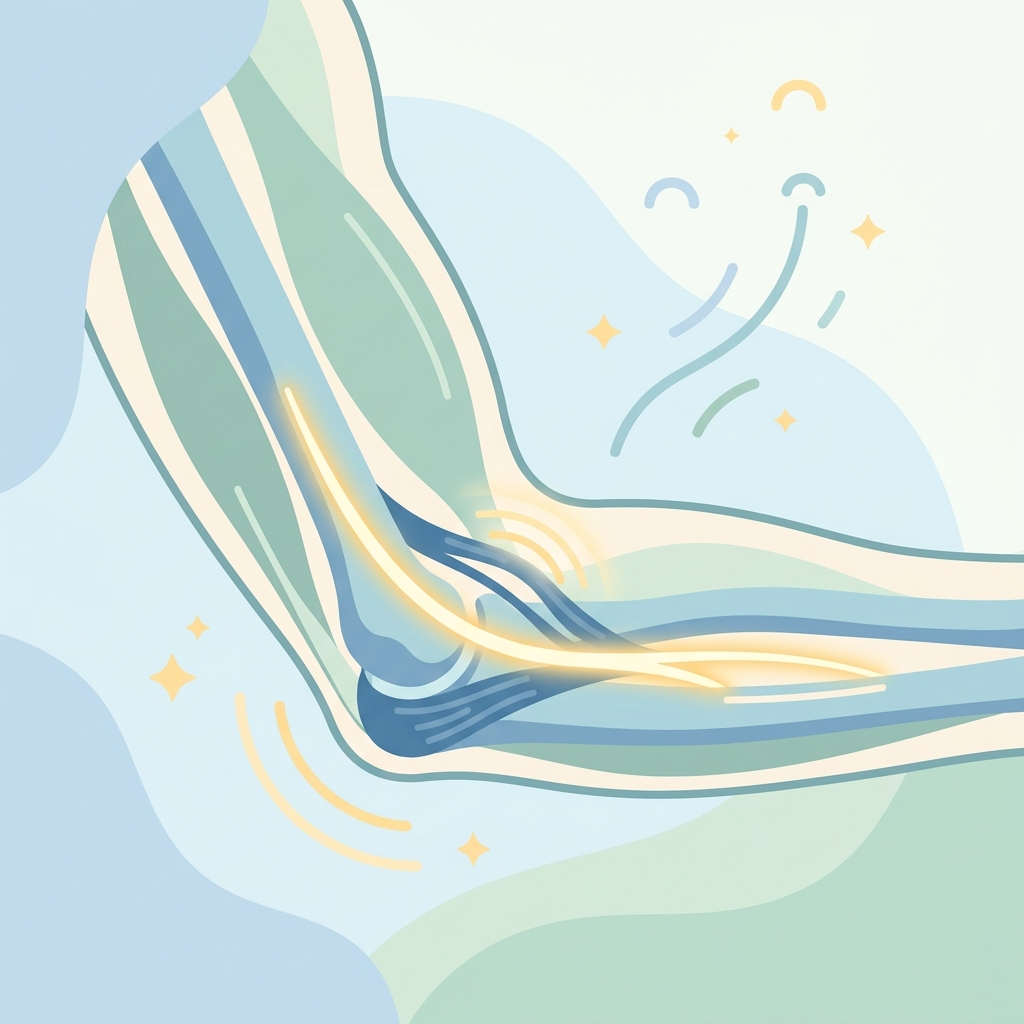
Ulnar Nerve Decompression (In Situ): Simple release of the cubital tunnel at the elbow
Get Clear, Concise Answers to Your Top Questions About Ulnar Nerve Decompression (In Situ)
Q1. What is in situ ulnar nerve decompression?
In situ ulnar nerve decompression is a surgical procedure to relieve pressure on the ulnar nerve at the elbow. "In situ" is a Latin phrase meaning "in its original place." During this surgery, the surgeon releases the tight tissues that are pinching the nerve without moving the nerve from its natural position.
Q2. Why is this surgery performed?
This surgery is performed to treat cubital tunnel syndrome, a condition where the ulnar nerve becomes compressed or irritated at the elbow. Decompressing the nerve helps relieve symptoms like numbness, tingling, pain, and weakness in the hand and fingers, and prevents permanent nerve damage.
Q3. What is cubital tunnel syndrome?
Cubital tunnel syndrome occurs when the ulnar nerve (often called the "funny bone" nerve) is squeezed as it passes through a narrow tunnel on the inside of the elbow. This compression can be caused by:
- Bending the elbow for long periods (such as during sleep or when holding a phone).
- Leaning on the elbow.
- Swelling or tissue buildup around the nerve.
- Arthritis or bone spurs in the elbow joint.
Q4. What happens during an in situ ulnar nerve decompression?
During the procedure, the surgeon makes a small incision on the inside of your elbow. The surgeon then identifies the ulnar nerve and carefully cuts the tight roof of tissue (ligaments and fascia) that forms the cubital tunnel. This opens up the tunnel, giving the nerve more room and immediately releasing the pressure. The nerve itself is left in its original path.
Q5. How does this differ from ulnar nerve transposition?
In an in situ decompression, the nerve is simply released and left in its natural groove. In a transposition surgery, the nerve is moved out of its groove and repositioned to the front of the elbow. An in situ decompression is generally less invasive, has a smaller incision, and allows for a quicker recovery, but is only suitable for patients whose nerve does not slip out of place when the elbow bends.
Q6. What type of anesthesia is used for this procedure?
This surgery is typically performed as an outpatient procedure, meaning you go home the same day. It can be done under:
- General anesthesia: You are asleep during the entire procedure.
- Regional anesthesia (nerve block): Your entire arm is numbed, often combined with a light sedative to keep you relaxed and comfortable.
Q7. How should I prepare for my surgery?
To prepare for your surgery:
- Follow your surgical team's instructions regarding when to stop eating and drinking.
- Discuss all current medications with your doctor, as you may need to temporarily stop blood thinners.
- Arrange for a responsible adult to drive you home and stay with you for the first 24 hours.
- Wear loose-fitting clothing with wide sleeves that can easily fit over a bulky elbow bandage.
Q8. What should I expect immediately after surgery?
When you wake up, your arm will be wrapped in a soft, bulky bandage or splint to protect the elbow. If you had a regional block, your arm may feel completely numb and heavy for several hours. You will spend some time in the recovery area before being cleared to go home.
Q9. Will I need to wear a splint, cast, or sling?
Unlike transposition surgery, an in situ decompression usually does not require a rigid plaster cast. You will have a bulky soft dressing. A sling may be provided for comfort during the first few days, but you are typically encouraged to move your fingers, wrist, and gently bend your elbow as tolerated to prevent stiffness.
Q10. How do I manage pain and swelling after the procedure?
To manage discomfort after surgery:
- Take prescribed pain medications or over-the-counter pain relievers as directed by your surgeon.
- Elevate your hand and elbow above the level of your heart on pillows as much as possible for the first 48 hours to reduce swelling.
- Wiggle your fingers frequently to keep blood flowing and reduce puffiness.
- Apply ice packs wrapped in a towel to the elbow for 15-20 minutes at a time.
Q11. What is the best way to sleep after surgery?
Sleeping can be challenging in the first few days. Here are some tips:
- Sleep on your back or on the non-operated side.
- Prop your operated arm up on one or two pillows so it sits elevated next to your body.
- Avoid sleeping directly on your operated elbow or keeping it fully bent for long periods.
Q12. How should I care for my incision?
Caring for your incision is vital for proper healing:
- Keep your dressing clean and completely dry. Use a plastic bag or waterproof cover when showering.
- Do not remove the bandage until your surgeon tells you it is safe to do so (usually at your first follow-up appointment in 10-14 days).
- Never submerge your elbow in water (like a bath, hot tub, or pool) until the incision is completely healed and stitches are removed.
Q13. When can I start using my arm and doing exercises?
You can typically start using your hand for light activities like eating, typing, or dressing within a few days. Your doctor or physical therapist will guide you through gentle elbow range-of-motion exercises. Heavy lifting, pushing, pulling, and repetitive bending should be avoided for 4 to 6 weeks.
Q14. What are the main risks or potential complications of this surgery?
Simple decompression is a safe procedure with a high success rate. However, risks include:
- Infection at the incision site.
- Bleeding or bruising.
- Nerve irritation or temporary worsening of numbness.
- Scar tissue buildup causing persistent discomfort.
- Incomplete relief of symptoms, especially if the nerve was severely damaged before surgery.
Q15. What is the typical recovery timeline, and when can I return to normal activities?
Most patients can return to desk work and light activities within 1 to 2 weeks. Full recovery of the nerve can take several months. Nerve tissue heals very slowly (about 1 millimeter per day), so tingling or numbness may fade gradually. Most patients return to full sports and physical labor by 6 to 8 weeks.
We encourage you to write down any specific questions you have and discuss them thoroughly with your surgeon, doctor, or physical therapist. They are your best resource for personalized advice and care.
Disclaimer: This brochure provides general information and is not a substitute for professional medical advice. Always consult your doctor or qualified healthcare provider with any questions you may have regarding your specific medical condition and treatment plan.

Related articles
Browse all articlesTrusted External Resources
Curated educational materials to help you make informed decisions about your orthopaedic bone & joint conditions.

Orthopaedia

Orthogate Patient Education