
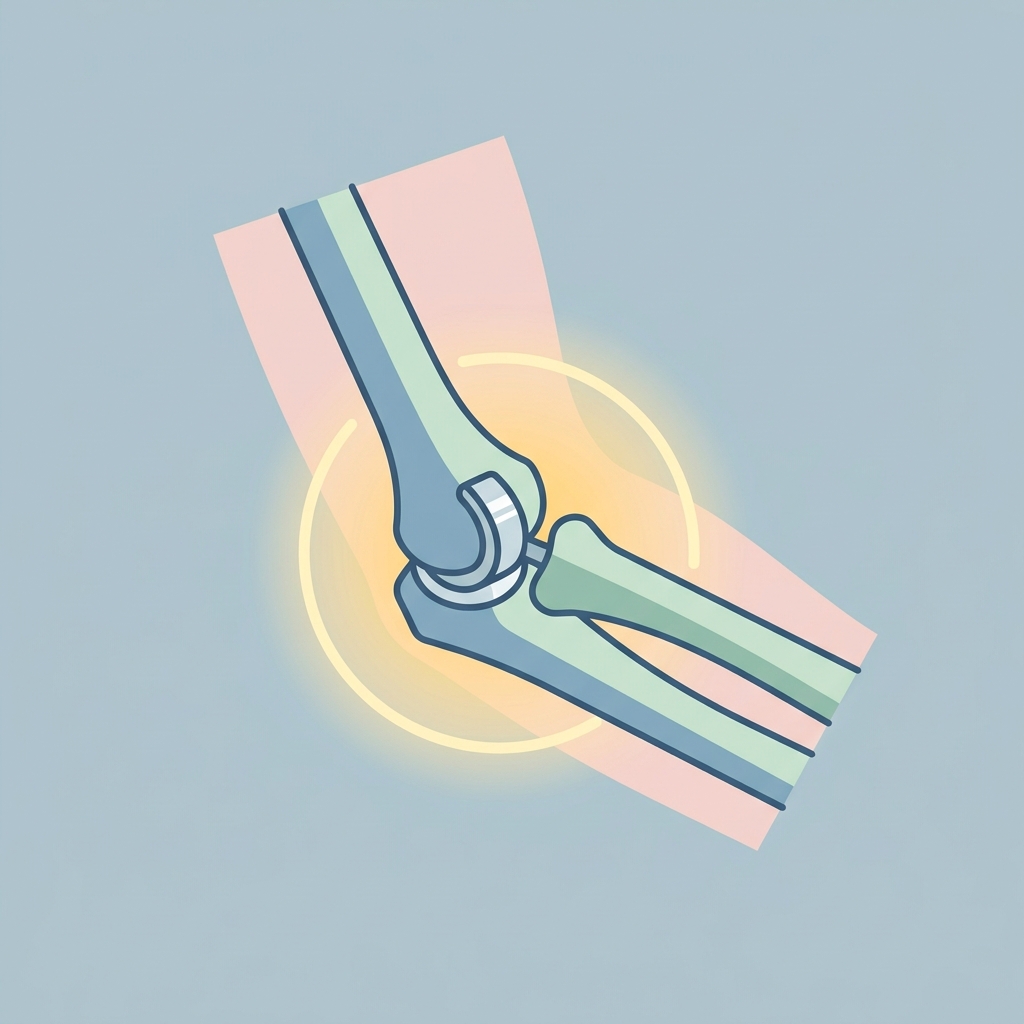
Total Elbow Arthroplasty (TEA): Linked or unlinked prosthetic replacement for end-stage arthritis or trauma
Get Clear, Concise Answers to Your Top Questions About Total Elbow Arthroplasty (TEA)
Q1. What is Total Elbow Arthroplasty (TEA)?
Total Elbow Arthroplasty (TEA), commonly known as elbow replacement surgery, is a surgical procedure where the damaged parts of the elbow joint are replaced with artificial joint components (prostheses). The elbow is a hinge joint made of three bones: the humerus (upper arm bone), the ulna (forearm bone on the pinky side), and the radius (forearm bone on the thumb side). During TEA, metal and plastic implants are secured inside the humerus and ulna to recreate a smooth, pain-free joint.
Q2. What conditions are treated with Total Elbow Arthroplasty?
TEA is typically reserved for severe, end-stage elbow conditions that have not responded to conservative treatments like medication, injections, or physical therapy. The most common conditions include:
- Severe Osteoarthritis: "Wear-and-tear" arthritis that destroys joint cartilage.
- Rheumatoid Arthritis: An inflammatory disease that causes the immune system to attack and destroy the joint lining.
- Post-Traumatic Arthritis: Joint damage following a severe elbow fracture or dislocation.
- Complex Fractures: Severe trauma where the bones are shattered and cannot be reconstructed.
- Instability or Bone Loss: Cases where the elbow joint has lost its structural support due to tumor surgery or chronic instability.
Q3. What is the difference between a linked and an unlinked elbow replacement?
The main difference lies in how the humeral and ulnar implants connect:
- Linked (Semi-Constrained) Prosthesis: The two metal components are physically joined together with a small pin or hinge. This provides built-in stability and prevents the joint from slipping out of place, even if your surrounding ligaments are weak or damaged.
- Unlinked (Non-Constrained) Prosthesis: The two metal components are not physically connected. Instead, they rely entirely on your natural ligaments and muscles to hold the joint together.
Q4. How does the surgeon choose between a linked and an unlinked prosthesis?
The surgeon chooses the implant type based on the quality of your bones and support tissues:
- Linked: This is the most common choice, especially for patients with rheumatoid arthritis, severe bone loss, complex fractures, or damaged ligaments. Because the hinge holds the joint together, it does not rely on your native ligaments for stability.
- Unlinked: This option may be considered for active patients with good bone quality and completely intact, strong ligaments surrounding the elbow. If the ligaments are weak, the unlinked elbow is at high risk of dislocation.
Q5. What are the benefits of a linked elbow replacement?
Linked replacements are widely used because they offer significant advantages:
- Excellent Stability: There is virtually no risk of joint dislocation because the pieces are locked together.
- Greater Versatility: It can be used even when bones are severely damaged or ligaments are completely missing.
- Reliable Pain Relief: It provides highly predictable pain relief and restores basic elbow function.
Q6. What are the benefits of an unlinked elbow replacement?
Unlinked replacements have specific mechanical advantages if you are a candidate:
- Less Stress on Bone-Implant Interface: Because the pieces are not locked, the joint moves more naturally, which can reduce the stress where the metal meets the bone.
- Lower Risk of Hinge Wear: Without a mechanical hinge or pin, there is no hinge mechanism to wear out over time.
- More Natural Motion: It closely mimics the subtle twisting and gliding of a healthy elbow.
Q7. What does the pre-surgical preparation involve?
Preparing for your elbow replacement helps ensure a safe surgery and a smooth recovery:
- Medical Evaluation: Blood tests, an EKG, and a physical exam by your primary doctor to confirm you are healthy enough for surgery.
- Medication Review: You may need to stop taking blood thinners, certain arthritis medications, or anti-inflammatory drugs a week before surgery.
- Home Preparation: Arrange for someone to help you at home, as you will only have one fully functional arm for several weeks. Place everyday items within easy reach.
- Hygiene Protocol: Wash with a special antibacterial soap (such as Chlorhexidine) the night before and the morning of surgery to minimize infection risk.
Q8. What type of anesthesia is used during the surgery?
To ensure your comfort and safety, a combination of anesthesia is usually recommended:
- General Anesthesia: You will be fully asleep during the procedure.
- Regional Nerve Block: An injection near your neck or shoulder that numbs your entire arm. This block provides excellent pain control that lasts for 12 to 24 hours after surgery.
Q9. How is the Total Elbow Arthroplasty procedure performed?
The surgery typically takes 1.5 to 2 hours and involves these main steps:
- Incision: The surgeon makes an incision along the back of the elbow joint.
- Bone Preparation: The damaged joint surfaces are carefully shaped and prepared to match the dimensions of the implants.
- Implantation: The metal stems of the implants are inserted into the hollow centers of the humerus and ulna bones. They are secured using medical bone cement.
- Assembly: If a linked implant is used, the surgeon connects the pieces with a locking pin. If unlinked, the components are aligned, and the ligaments are tensioned.
- Closure: The incision is closed with sutures or staples, and a dressing is applied.
Q10. What is the immediate recovery process in the hospital?
After surgery, you will spend a short time in the recovery room before being moved to a hospital room:
- Hospital Stay: Patients typically stay in the hospital for 1 to 2 days.
- Pain Management: You will receive pain medication through an IV and by mouth, supported by the nerve block.
- Arm Positioning: Your arm will be elevated on pillows to reduce swelling.
- Initial Movement: Gentle finger and wrist exercises are started immediately to promote circulation and prevent stiffness.
Q11. Will I need to wear a brace or splint after surgery?
Yes, protection of the healing joint is essential:
- Surgical Splint: Immediately after surgery, your arm will be placed in a soft splint or cast, usually holding the elbow in a comfortable, slightly bent position.
- Post-Operative Brace: Once the initial swelling goes down, you may transition to a removable hinged brace. This brace protects the ligaments and incision while allowing controlled movement during therapy.
Q12. How should I sleep after Total Elbow Arthroplasty?
Finding a comfortable sleeping position can be challenging initially:
- Recliner Chair: Many patients find it easiest to sleep in a semi-upright position in a recliner chair for the first few weeks.
- Back Sleeping: If sleeping in bed, lie on your back and place a pillow under your elbow and forearm to keep the arm elevated above your heart.
- Avoid Sleeping on the Surgical Side: Do not lie directly on your operated arm, and do not let the arm dangle off the edge of the bed.
Q13. What does the rehabilitation and physical therapy process look like?
Rehabilitation is a gradual process guided by a physical therapist:
- Phase 1 (Weeks 1-6): Focuses on protecting the healing joint, reducing swelling, and restoring gentle, passive range of motion. No active lifting is allowed.
- Phase 2 (Weeks 6-12): Active movement is introduced. You will perform light exercises to help your muscles control the elbow through its range of motion.
- Phase 3 (After 12 Weeks): Gentle, functional strengthening exercises begin. Full recovery can take 6 to 12 months.
Q14. What are the potential risks and complications of TEA?
While TEA is highly successful, as with any major surgery, there are risks:
- Infection: This is a serious concern for joint replacements. If an infection occurs, the artificial joint may need to be removed.
- Implant Loosening: Over time, the bond between the implant and bone can weaken, which may require revision surgery.
- Nerve Injury: The ulnar nerve runs very close to the elbow joint and can be stretched or irritated, causing temporary numbness or weakness in the hand.
- Instability or Dislocation: Especially with unlinked implants if the ligaments fail to heal.
- Stiffness: The elbow may not regain full flexibility, though it is usually much better than before surgery.
Q15. What are the long-term lifestyle and weight-lifting restrictions after an elbow replacement?
To prevent the artificial joint from wearing out or loosening prematurely, you must observe lifelong lifting restrictions:
- Weight Limit: You must never lift more than 5 to 10 pounds with your operated arm.
- Avoid Repetitive Lifting: Do not perform repetitive lifting tasks, even under the weight limit.
- Avoid High-Impact Sports: Activities like golf, tennis, throwing sports, and heavy manual labor should be avoided.
- Recommended Activities: Low-impact exercises like walking, swimming, and cycling are highly encouraged to maintain overall fitness.
We encourage you to write down any specific questions you have and discuss them thoroughly with your surgeon, doctor, or physical therapist. They are your best resource for personalized advice and care.
Disclaimer: This brochure provides general information and is not a substitute for professional medical advice. Always consult your doctor or qualified healthcare provider with any questions you may have regarding your specific medical condition and treatment plan.

Related articles
Browse all articlesTrusted External Resources
Curated educational materials to help you make informed decisions about your orthopaedic bone & joint conditions.

Orthopaedia

Orthogate Patient Education