
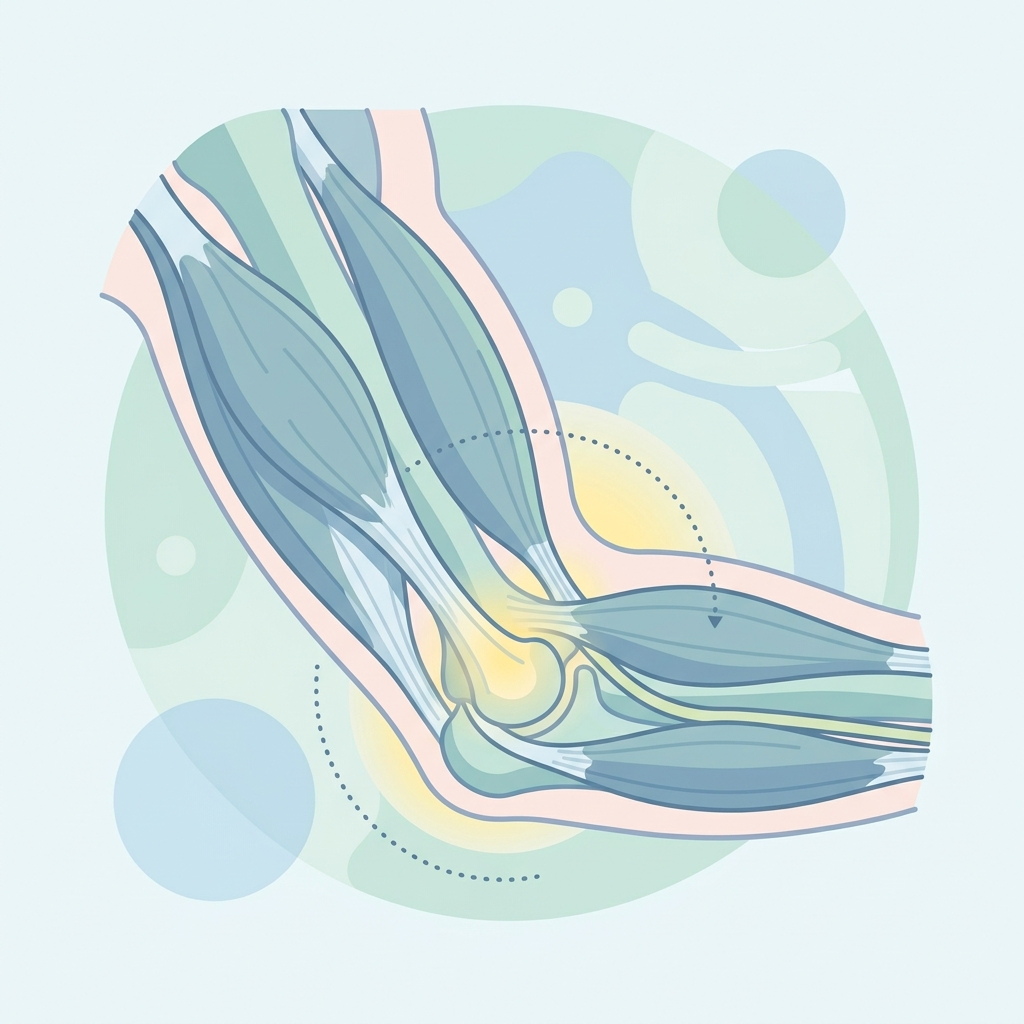
Snapping Triceps Syndrome
Get Clear, Concise Answers to Your Top Questions About Snapping Triceps Syndrome
Q1. What is Snapping Triceps Syndrome?
Snapping triceps syndrome is a condition where the triceps muscle or tendon on the back of your arm slides out of its normal position and snaps over the bony bump on the inside of your elbow (called the medial epicondyle). This snapping usually happens when you bend and straighten your elbow. While it can sometimes be painless, it often causes irritation, pain, or inflammation in the elbow.
Q2. What does the snapping feel or sound like?
People with this condition usually feel a distinct roll, pop, or snap on the inner side of their elbow when bending it past a certain angle (typically around 90 degrees) and then straightening it again. In some cases, the snap can be heard as a dull click. It is often mistaken for a joint popping or a ligament clicking, but it is actually a muscle or tendon sliding over the bone.
Q3. What causes the triceps tendon to snap?
The snapping is usually caused by an anatomical variation. In many people, the innermost part of the triceps muscle (the medial head) is positioned slightly differently or is larger than usual, making it prone to sliding over the bone. Repetitive bending and straightening of the elbow, heavy lifting, or pushups can also cause the muscle to thicken, making the snapping more noticeable or painful.
Q4. How is Snapping Triceps Syndrome related to ulnar nerve snapping?
The ulnar nerve (the funny bone nerve) runs right next to the triceps tendon on the inside of the elbow. In many cases of snapping triceps, the ulnar nerve also snaps back and forth over the same bony bump. This is called ulnar nerve subluxation. When both the tendon and the nerve snap, it can lead to nerve irritation, causing numbness or tingling in your ring and pinky fingers.
Q5. Who is most likely to develop Snapping Triceps Syndrome?
It is most common in individuals who perform repetitive elbow movements or engage in heavy upper-body training. This includes weightlifters, bodybuilders, throwers, and athletes who do a lot of push-ups or bench presses. It can also occur in people who have natural anatomical differences in their elbow bones or muscles, regardless of their activity level.
Q6. What are the most common symptoms of Snapping Triceps Syndrome?
The primary symptom is a snapping sensation on the inside of the elbow when bending or straightening the arm. Other symptoms can include:
- Pain or aching on the inner side of the elbow, especially during or after activity.
- Swelling or tenderness over the bony bump on the inside of the elbow.
- Numbness, tingling, or a pins-and-needles sensation in the ring and pinky fingers if the ulnar nerve is involved.
- Weakness in your grip or hand when the nerve is irritated.
Q7. Can Snapping Triceps Syndrome cause permanent damage?
If the snapping is painless and does not involve the ulnar nerve, it is generally harmless and does not cause permanent damage. However, if the snapping is painful or if the ulnar nerve is repeatedly rubbing and stretching over the bone, it can lead to chronic inflammation or nerve damage (cubital tunnel syndrome) if left untreated.
Q8. How is Snapping Triceps Syndrome diagnosed by a doctor?
A doctor will diagnose the condition through a physical exam. They will feel the inside of your elbow while you slowly bend and straighten your arm to detect the snapping tendon and nerve. Because the snapping only happens during movement, static exams might miss it. A dynamic physical exam is the most important part of the diagnosis.
Q9. Do I need an MRI or an ultrasound to diagnose this?
Standard X-rays or static MRIs are often normal because they are taken while your arm is still. A dynamic ultrasound is the best imaging test for this condition. During a dynamic ultrasound, the technician can watch the triceps tendon and ulnar nerve slide and snap over the bone in real-time while you bend your elbow.
Q10. What are the first steps for treating Snapping Triceps Syndrome without surgery?
Non-surgical treatment is always the first step. This includes:
- Resting from activities that trigger the snapping (like heavy weightlifting or repetitive throwing).
- Applying ice to the inner elbow for 15-20 minutes to reduce inflammation.
- Using over-the-counter anti-inflammatory medications (NSAIDs) if recommended by your doctor.
- Working with a physical therapist to modify your movement patterns and strengthen surrounding muscles.
Q11. Are there specific exercises I should do or avoid?
You should avoid exercises that require deep elbow bending under heavy loads, such as tricep dips, overhead tricep extensions, and heavy bench presses or push-ups. Instead, focus on pain-free strengthening of the forearm and shoulder muscles, and perform gentle elbow range-of-motion stretching within a comfortable, snap-free range.
Q12. When should I consider surgery for Snapping Triceps Syndrome?
Surgery is considered if non-surgical treatments fail to relieve your symptoms after several months, if you have persistent or worsening pain, or if you develop signs of ulnar nerve compression (such as constant numbness, tingling, or weakness in your hand).
Q13. What does surgery for Snapping Triceps Syndrome involve?
The surgery aims to stop the snapping and protect the ulnar nerve. It typically involves:
- Moving the ulnar nerve to a safer position in front of the bony bump so it no longer snaps (ulnar nerve transposition).
- Shaving down or repositioning the portion of the triceps tendon that is snapping, or releasing the tight tissues holding it in a bad position.
Q14. What is the recovery time and process after surgery?
Recovery varies, but most patients follow a structured rehabilitation plan:
- Weeks 1-2: The arm is usually protected in a splint or brace to allow the tissues to heal.
- Weeks 2-6: Gentle range-of-motion exercises begin, guided by a physical therapist.
- Weeks 6-12: Progressive strengthening exercises are introduced.
- 3-6 months: Most patients can return to full activities, including sports and weightlifting, once strength and mobility are fully restored.
Q15. How can I prevent Snapping Triceps Syndrome from returning?
If you did not have surgery, you can prevent flare-ups by avoiding repetitive heavy lifting that causes snapping, maintaining good flexibility in your arms, and warming up properly before workouts. If you had surgery, following your post-operative physical therapy plan and using proper lifting techniques are key to a successful, long-term recovery.
We encourage you to write down any specific questions you have and discuss them thoroughly with your surgeon, doctor, or physical therapist. They are your best resource for personalized advice and care.
Disclaimer: This brochure provides general information and is not a substitute for professional medical advice. Always consult your doctor or qualified healthcare provider with any questions you may have regarding your specific medical condition and treatment plan.

Related articles
Browse all articlesTrusted External Resources
Curated educational materials to help you make informed decisions about your orthopaedic bone & joint conditions.

Orthopaedia

Orthogate Patient Education