
Medial Epicondyle Apophysitis
Get Clear, Concise Answers to Your Top Questions About Medial Epicondyle Apophysitis
Q1. What is medial epicondyle apophysitis?
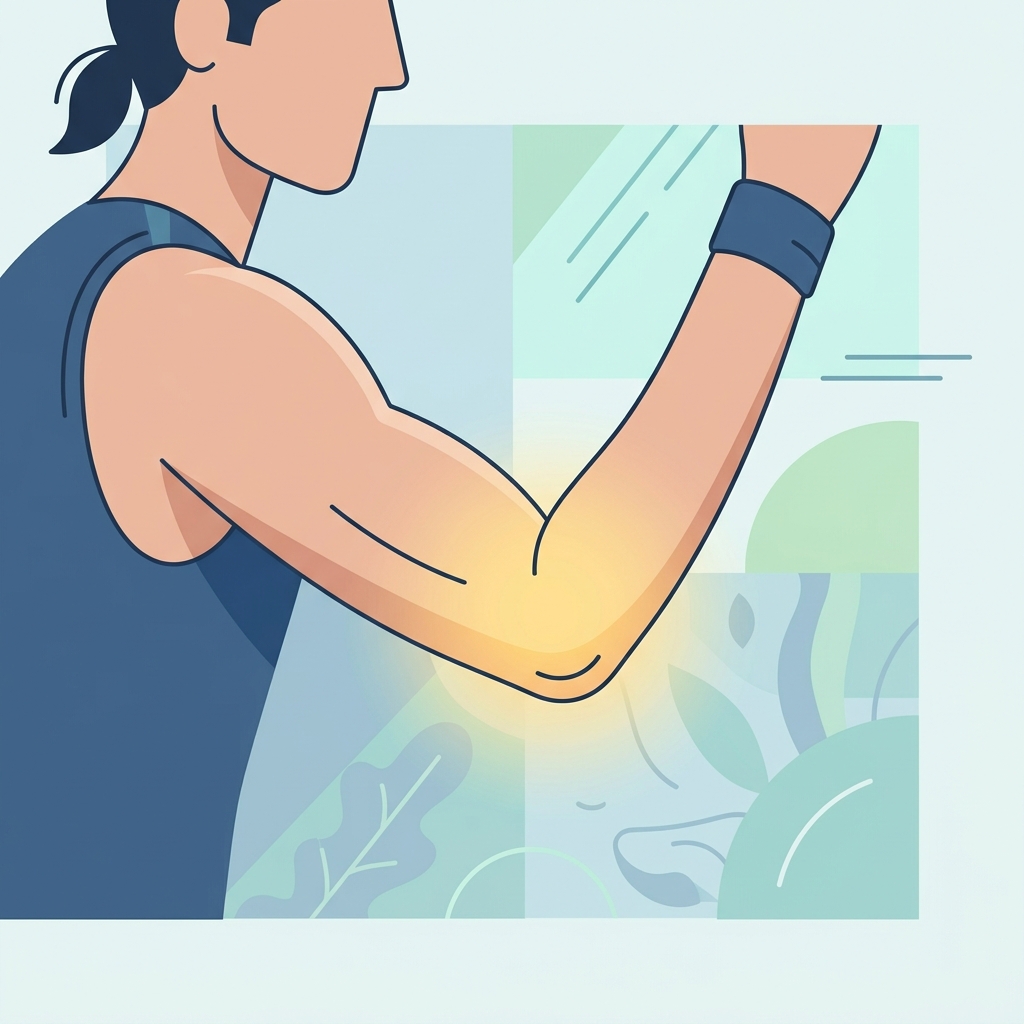
Medial epicondyle apophysitis is an irritation and inflammation of the growth plate on the inner side of the elbow. In children and teenagers, bones are still growing, and these growth plates are made of developing cartilage, which is weaker than mature bone. Repetitive pulling from forearm muscles on this growth plate can cause painful inflammation.
Q2. What is the difference between medial epicondyle apophysitis and Little Leaguer's elbow?
They are closely related terms. Medial epicondyle apophysitis refers specifically to the inflammation of the growth plate on the inner elbow. "Little Leaguer's elbow" is a broader term used to describe several overuse throwing injuries that occur on the inner elbow of young athletes, of which medial epicondyle apophysitis is the most common.
Q3. Who is most likely to develop medial epicondyle apophysitis?
This condition is most common in young athletes between the ages of 9 and 14 who participate in sports that involve repetitive overhead throwing. It primarily affects:
- Baseball pitchers and other throwers
- Tennis players
- Gymnasts
- Javelin throwers
Q4. What causes medial epicondyle apophysitis?
The primary cause is repetitive, forceful throwing or overhead motions. Each time an athlete throws, the forearm muscles pull on the tendon attached to the medial epicondyle (the bony bump on the inside of the elbow). Over time, this repetitive tension stresses and inflames the growing cartilage of the growth plate.
Q5. What are the common symptoms of medial epicondyle apophysitis?
Symptoms usually develop gradually rather than after a single injury. Common signs include:
- Pain on the inner side of the elbow when throwing or using the arm
- Tenderness or soreness when touching the bony bump on the inside of the elbow
- Mild swelling or redness in the area
- Elbow stiffness or difficulty straightening the arm fully
- A noticeable drop in throwing speed, distance, or accuracy
Q6. How is medial epicondyle apophysitis diagnosed?
A doctor will perform a thorough physical exam and review the athlete's sports history. During the exam, the doctor will check for tenderness directly over the growth plate on the inner elbow, assess the elbow's range of motion, and evaluate muscle strength. They will also look for pain when resisting wrist flexion.
Q7. Are imaging tests like X-rays or MRIs needed?
Yes, X-rays are typically ordered to examine the growth plates in both elbows. An X-ray can show if the growth plate on the injured side is widened, irregular, or if there is a tiny fracture where the growth plate has pulled away from the main bone. An MRI is rarely needed but may be used if there is concern about cartilage or ligament injuries.
Q8. What is the first step in treating medial epicondyle apophysitis?
The absolute first step in treatment is complete rest from throwing and any activities that cause elbow pain. Continuing to throw or play through the pain can cause further damage to the growth plate and prolong recovery time. Resting allows the inflamed growth plate to heal properly.
Q9. Can ice or medication help relieve pain?
Yes, both can help manage symptoms during the early stages of recovery:
- Icing: Applying ice packs wrapped in a thin towel for 15 to 20 minutes at a time, several times a day, helps reduce swelling and ease pain.
- Medication: Over-the-counter anti-inflammatory medicines like ibuprofen may be recommended by a doctor to help relieve discomfort, but they should not be used just to allow the child to continue throwing.
Q10. What does rehabilitation or physical therapy look like?
Once pain and tenderness have subsided, a structured rehabilitation program is essential. Physical therapy focuses on:
- Stretching the tight forearm, wrist, and shoulder muscles
- Strengthening the forearm, shoulder, upper back, and core muscles to support proper throwing mechanics
- Evaluating and correcting throwing technique to reduce stress on the elbow
Q11. How long does it take to recover from medial epicondyle apophysitis?
Recovery timelines vary depending on the severity of the inflammation, but most athletes need to rest from throwing for at least 6 weeks. Complete recovery and return to competitive play typically take between 2 and 3 months, ensuring the growth plate is fully healed and muscle strength is restored.
Q12. Is surgery ever required for this condition?
Surgery is very rarely needed for medial epicondyle apophysitis. It is only considered if the growth plate has completely fractured or pulled away (avulsed) from the main bone, and cannot heal in the correct position with rest. In those rare cases, a surgeon may use a screw or pin to secure the bone fragment.
Q13. What can happen if a young athlete continues to throw through the pain?
Ignoring the pain and continuing to throw can lead to serious complications. These include:
- An avulsion fracture, where the growth plate is pulled completely off the bone
- Chronic, long-term elbow pain and early arthritis
- Damage to the ulnar collateral ligament (UCL), which stabilizes the elbow joint
- Permanent growth plate damage that may affect normal bone development
Q14. How can medial epicondyle apophysitis be prevented?
Prevention is key to protecting young athletes. Essential steps include:
- Strictly following recommended pitch count guidelines and rest periods for youth baseball
- Learning and practicing proper throwing mechanics and warm-up routines
- Avoiding playing on multiple teams in the same season or playing a single throwing sport year-round
- Encouraging athletes to speak up immediately if they feel inner elbow pain or soreness
Q15. When is it safe for a child to return to throwing or competitive play?
A return to throwing should be gradual and should only begin when the athlete is completely pain-free, has full elbow range of motion and strength, and has been cleared by their doctor. The return starts with a structured, step-by-step throwing program that slowly increases distance and effort over several weeks.
We encourage you to write down any specific questions you have and discuss them thoroughly with your surgeon, doctor, or physical therapist. They are your best resource for personalized advice and care.
Disclaimer: This brochure provides general information and is not a substitute for professional medical advice. Always consult your doctor or qualified healthcare provider with any questions you may have regarding your specific medical condition and treatment plan.

Related articles
Browse all articlesTrusted External Resources
Curated educational materials to help you make informed decisions about your orthopaedic bone & joint conditions.

Orthopaedia
Orthogate Patient Education