
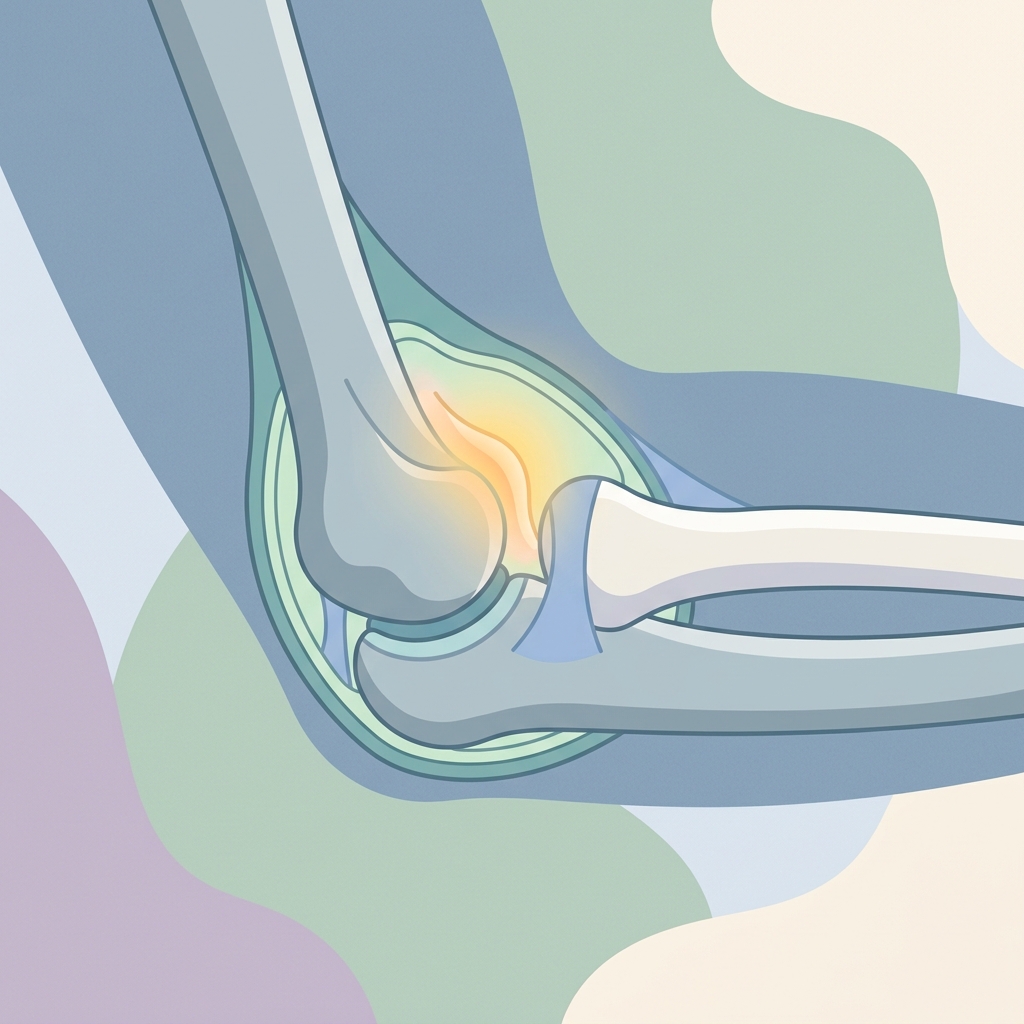
Q1. What is elbow plica syndrome?
Elbow plica syndrome is a condition where a fold of tissue inside the elbow joint, called a synovial plica, becomes inflamed, swollen, or irritated. Normally, these folds are thin, flexible structures that line the joint and help it glide smoothly. However, if a plica becomes pinched, thickened, or caught between the bones of the elbow (especially near the radial head), it can cause pain, snapping, or catching sensations during movement.
Q2. What causes plica syndrome in the elbow?
Plica syndrome in the elbow is usually caused by repetitive motion or direct irritation. Common causes include:
- Repetitive elbow movements: Repeated bending and straightening of the arm, common in throwing sports, tennis, golf, or certain occupations (like carpentry or assembly line work), can cause friction and inflammation.
- Direct trauma: A direct blow to the outside of the elbow, or falling onto an outstretched hand, can pinch and damage the plica.
- Prior elbow injuries: Scar tissue or irritation from previous elbow sprains, fractures, or surgeries can make the plica more likely to become pinched.
Q3. What are the common symptoms of elbow plica syndrome?
If you have elbow plica syndrome, you may experience one or more of the following symptoms:
- Pain: A dull ache or sharp pain, typically on the outer (lateral) side or back of the elbow. The pain often worsens when bending or fully straightening the arm, or during overhead activities.
- Clicking or snapping: A noticeable clicking, snapping, or popping sensation when you move your elbow.
- Catching or locking: A feeling like the elbow is catching on something or momentarily locking in place.
- Tenderness: Pain when pressing on the outer joint line of the elbow.
- Swelling: Mild swelling or stiffness around the joint.
Q4. How is elbow plica syndrome diagnosed?
Diagnosing elbow plica syndrome starts with a comprehensive clinical evaluation. The process typically includes:
- Medical history: Discussing your symptoms, when they started, and what activities make them worse.
- Physical exam: Your doctor will examine your elbow, checking for tenderness along the joint line and moving your arm to see if they can replicate the clicking or snapping.
- Imaging tests: X-rays may be ordered to rule out bone spurs or fractures. An MRI (magnetic resonance imaging) scan can help show the thickened plica and check for other soft tissue problems, although a plica can sometimes be difficult to see on standard scans.
- Diagnostic injection: A numbing injection into the joint may be used to see if the pain is temporarily relieved, which helps confirm the source of the pain.
Q5. Who is most at risk for developing elbow plica syndrome?
Elbow plica syndrome is most common in individuals who perform repetitive arm actions. Those at higher risk include:
- Athletes: Especially those involved in throwing sports (baseball, javelin), racket sports (tennis, squash), golf, or gymnastics.
- Manual laborers: Painters, plumbers, carpenters, and others who perform repetitive lifting, pulling, or twisting motions.
- People with previous elbow injuries: Anyone with a history of elbow trauma or chronic instability.
Q6. Can elbow plica syndrome heal on its own?
Yes, mild cases of elbow plica syndrome can resolve with rest and conservative care. Giving the elbow time to rest, avoiding irritating movements, and reducing inflammation often allow the plica to shrink back to its normal size. However, if the plica has become significantly thickened or scarred, it may continue to cause chronic symptoms and require medical treatment.
Q7. What are the non-surgical treatment options for elbow plica syndrome?
Most patients start with non-surgical treatments to reduce pain and inflammation. These options include:
- Activity modification: Temporarily avoiding or changing the activities that cause your symptoms, such as throwing or heavy lifting.
- Rest and ice: Applying ice packs to the elbow for 15-20 minutes several times a day to reduce swelling.
- Anti-inflammatory medications: Over-the-counter pain relievers, such as ibuprofen or naproxen, can help manage pain and inflammation (always consult your doctor before starting new medications).
- Physical therapy: A structured program to stretch and strengthen the muscles around the elbow, improving joint stability and movement patterns.
- Corticosteroid injection: A localized steroid injection into the joint can help quickly decrease severe inflammation and pain.
Q8. What type of physical therapy exercises help with elbow plica syndrome?
Physical therapy focuses on restoring full movement and strengthening the muscles that support the elbow. Helpful exercises include:
- Stretching: Gentle stretches for the wrist flexor and extensor muscles to reduce tension around the elbow.
- Range of motion exercises: Controlled movements to maintain or restore the ability to fully bend and straighten the elbow.
- Strengthening: Exercises targeting the forearm, triceps, biceps, and shoulder muscles to improve overall arm stability and reduce stress on the elbow joint.
- Activity-specific training: Adjusting your technique in sports or work tasks to prevent improper load on the joint.
Q9. When is surgery recommended for elbow plica syndrome?
Surgery is typically recommended only after conservative treatments have failed to provide relief. If you have tried rest, physical therapy, and injections for several months (usually 3 to 6 months) and still experience persistent pain, snapping, or catching that interferes with your daily activities or sports, surgery may be considered.
Q10. What does surgery for elbow plica syndrome involve?
The standard surgical procedure for this condition is called an elbow arthroscopy (minimally invasive surgery). During the procedure:
- Small incisions: The surgeon makes a few tiny incisions (about the size of a keyhole) around the elbow.
- Arthroscope insertion: A small camera (arthroscope) is inserted to view the inside of the joint on a monitor.
- Plica removal (Resection): Specialized miniature instruments are used to carefully trim away the inflamed and thickened plica tissue.
- Joint inspection: The surgeon also inspects the rest of the joint to ensure there are no other issues, such as loose cartilage or bone spurs.
Q11. What is the recovery time after elbow plica surgery?
Recovery times vary, but most patients can return to daily activities relatively quickly because the surgery is minimally invasive. General recovery stages include:
- First 1-2 weeks: Focus on pain control, keeping the incisions clean, and gentle movement to prevent stiffness.
- Weeks 2-6: Starting structured physical therapy to restore range of motion and build light muscle strength.
- Weeks 6-12: Progressing to more advanced strengthening exercises and gradually returning to sports or manual work. Full recovery and return to high-demand activities usually take about 3 to 4 months.
Q12. Are there any risks associated with elbow plica surgery?
Elbow arthroscopy is a safe and common procedure, but like any surgery, it carries some risks. These include:
- Infection: A rare risk at the incision sites or inside the joint.
- Stiffness: Temporary or persistent stiffness in the elbow if rehabilitation is not followed.
- Nerve injury: Because major nerves pass close to the elbow joint, there is a very small risk of temporary numbness or weakness in the hand or fingers.
- Continued symptoms: In some cases, mild discomfort or clicking may persist.
Q13. How can I prevent elbow plica syndrome from returning?
To reduce the likelihood of the condition recurring, consider these tips:
- Warm up properly: Perform dynamic stretches and light movements before engaging in sports or heavy manual labor.
- Use correct technique: Ensure proper form when playing sports (such as tennis or throwing) or lifting weights.
- Strengthen supporting muscles: Maintain good strength in your shoulder, arm, and forearm muscles to support the elbow joint.
- Listen to your body: Avoid playing or working through sharp elbow pain, and take rest breaks during repetitive tasks.
Q14. Can I continue to exercise or play sports with elbow plica syndrome?
It depends on the severity of your symptoms. If you have mild irritation, you may be able to continue modified activity while focusing on physical therapy and avoiding movements that cause pain or snapping. However, if you experience significant pain, catching, or locking, it is best to rest from sports or heavy exercise to prevent further inflammation and potential damage to the joint cartilage. Consult your healthcare team for personalized guidance.
Q15. When should I contact my doctor or orthopaedic surgeon about my elbow pain?
You should make an appointment to see a healthcare professional if you experience:
- Persistent pain: Elbow pain that does not improve after 2-3 weeks of rest and home care.
- Mechanical symptoms: Frequent clicking, popping, snapping, or catching in the elbow.
- Inability to move: Difficulty fully bending or straightening your arm.
- Severe symptoms: Sudden, severe pain, significant swelling, redness, warmth, or numbness/tingling in your hand or arm.
We encourage you to write down any specific questions you have and discuss them thoroughly with your surgeon, doctor, or physical therapist. They are your best resource for personalized advice and care.
Disclaimer: This brochure provides general information and is not a substitute for professional medical advice. Always consult your doctor or qualified healthcare provider with any questions you may have regarding your specific medical condition and treatment plan.

Related articles
Browse all articlesTrusted External Resources
Curated educational materials to help you make informed decisions about your orthopaedic bone & joint conditions.

Orthopaedia

Orthogate Patient Education