
Triceps Tendonitis
Get Clear, Concise Answers to Your Top Questions About Triceps Tendonitis
Q1. What is triceps tendonitis?
Triceps tendonitis, also known as triceps tendinopathy, is an inflammation, irritation, or micro-tearing of the triceps tendon. It is typically caused by repetitive overuse or sudden strain on the tendon, resulting in pain and tenderness at the back of the elbow.
Q2. Where is the triceps tendon located and what does it do?
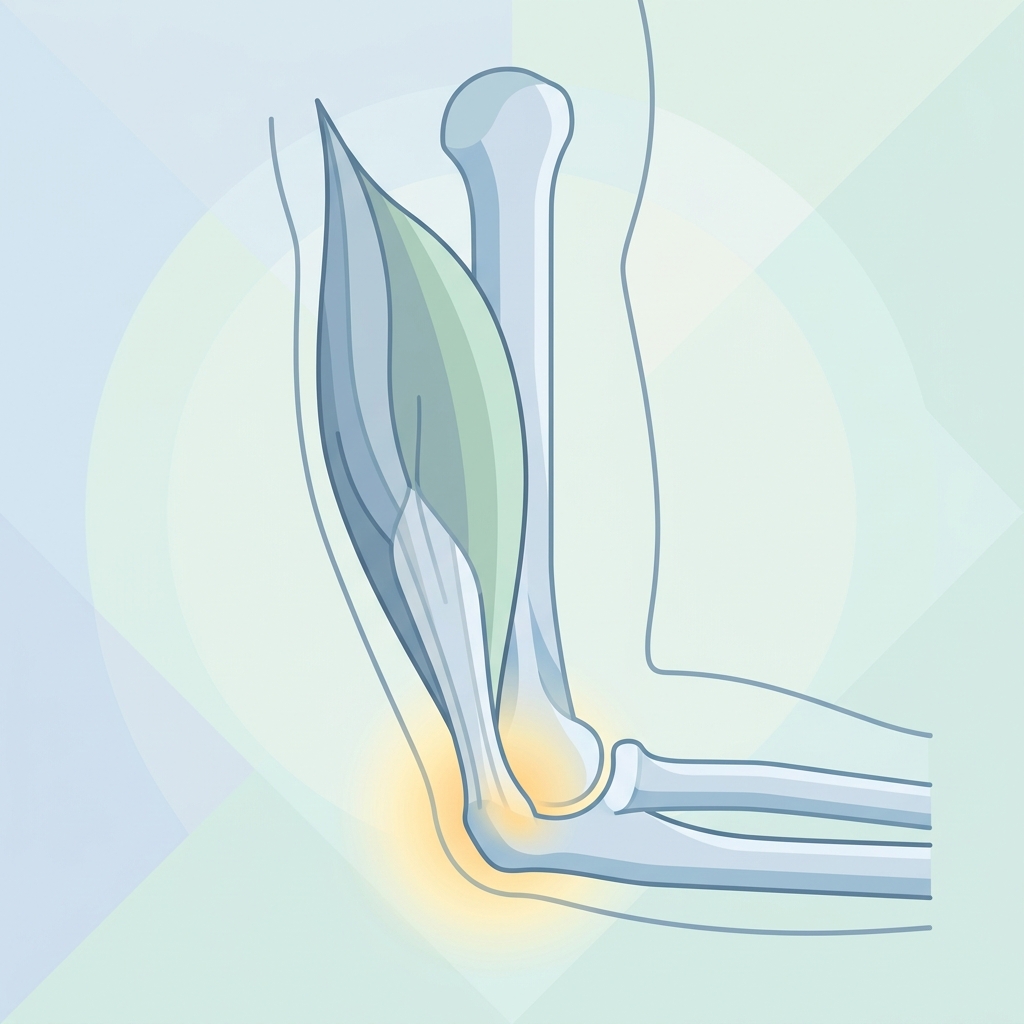
The triceps muscle is located on the back of your upper arm. The triceps tendon is the strong band of tissue that connects this muscle to the olecranon, which is the bony tip of your elbow. The triceps tendon works to straighten your arm at the elbow joint.
Q3. What are the common symptoms of triceps tendonitis?
The symptoms of triceps tendonitis can range from mild to severe. Common signs include:
- A dull ache or sharp pain at the back of the elbow, especially when straightening the arm or pushing against resistance.
- Tenderness when touching the back of the elbow just above the bony tip.
- Mild swelling, warmth, or redness around the triceps tendon.
- Stiffness in the elbow, making it difficult to fully bend or straighten your arm.
- Weakness when trying to push objects, perform push-ups, or extend your arm.
Q4. What causes triceps tendonitis?
Triceps tendonitis is primarily caused by repetitive stress or overload on the triceps tendon. Common causes include:
- Repetitive activities involving forceful elbow extension, such as weightlifting (e.g., bench presses, triceps extensions), throwing sports, or gymnastics.
- Sudden increases in the intensity, duration, or frequency of your workouts or work activities.
- Direct trauma or a sudden blow to the back of the elbow.
- Poor sporting technique or using improper equipment during physical activities.
Q5. Who is at risk for developing this condition?
While anyone can develop triceps tendonitis, certain factors increase your risk:
- Athletes who participate in sports requiring repetitive throwing, pushing, or arm extension (like baseball, basketball, weightlifting, and gymnastics).
- Individuals with occupations that involve repetitive manual labor, overhead hammering, or heavy lifting.
- People with poor flexibility, weak triceps muscles, or tightness in the upper arm muscles.
- Older individuals, as tendons naturally become less flexible and more prone to injury as we age.
Q6. How is triceps tendonitis diagnosed?
Dr. Christian Veillette or your healthcare provider will perform a comprehensive evaluation, which typically includes:
- A detailed review of your medical history, symptoms, and physical activities.
- A physical examination to check for tenderness, swelling, range of motion, and strength at the back of your elbow.
- Imaging tests such as X-rays to rule out bone spurs or fractures, or an ultrasound or MRI to visualize the tendon structure and identify any inflammation or partial tears.
Q7. Can triceps tendonitis resolve on its own?
Mild cases of triceps tendonitis may improve with rest and simple home care over several weeks. However, ignoring the pain and continuing activities that irritate the tendon can lead to a chronic, long-term condition (tendinosis) or even a partial or complete tendon tear, which requires more intensive treatment.
Q8. What are the non-surgical treatment options?
The vast majority of patients with triceps tendonitis recover successfully without surgery. Non-surgical treatments include:
- Rest and activity modification: Avoiding activities that cause pain or place strain on the triceps tendon.
- Ice therapy: Applying ice packs to the back of the elbow for 15-20 minutes several times a day to reduce swelling and pain.
- Medications: Nonsteroidal anti-inflammatory drugs (NSAIDs) to help manage pain and inflammation.
- Bracing or splinting: Using a temporary elbow strap or brace to reduce stress on the tendon during daily activities.
- Physical therapy: A structured program of stretching and strengthening exercises.
Q9. When is physical therapy recommended, and what does it involve?
Physical therapy is a cornerstone of recovery for triceps tendonitis. It is typically recommended early in the treatment process and involves:
- Gentle stretching exercises to restore full elbow flexibility and range of motion.
- Progressive strengthening exercises, focusing on eccentric exercises (controlling the muscle as it lengthens) to rebuild tendon strength and resilience.
- Hands-on manual therapy to improve tissue mobility.
- Guidance on proper posture, sports technique, and ergonomic adjustments for work.
Q10. Are injections used to treat triceps tendonitis?
In cases where pain persists despite rest and physical therapy, injections may be considered:
- Corticosteroid injections: Used to provide short-term pain relief by reducing inflammation. However, they must be used cautiously because repeated steroid injections can weaken the tendon.
- Platelet-Rich Plasma (PRP) therapy: Injections of concentrated platelets from your own blood to promote natural healing of the tendon tissue.
Q11. When is surgery necessary for triceps tendonitis?
Surgery is rarely needed for triceps tendonitis. It is typically reserved for:
- Patients who do not experience relief after 6 to 12 months of consistent non-surgical treatment.
- Individuals with a significant partial tear that fails to heal.
- Cases of a complete triceps tendon rupture, which requires prompt surgical repair to restore arm function.
Q12. What does surgery for triceps tendonitis involve?
The surgical procedure depends on the extent of the damage:
- Debridement: Removing damaged or degenerated tendon tissue and any surrounding bone spurs.
- Tendon Repair: Reattaching the torn triceps tendon back to the olecranon bone using strong sutures and bone anchors.
- These procedures are performed by a specialist like Dr. Christian Veillette at Toronto Western Hospital or Women's College Hospital, typically under regional or general anesthesia.
Q13. What is the recovery timeline after surgery?
Surgical recovery is a gradual process requiring dedicated rehabilitation:
- Immediate post-op (Weeks 1-2): The elbow is protected in a splint or brace to allow initial healing, with fingers and wrist movement encouraged.
- Early recovery (Weeks 2-6): Gentle, assisted range-of-motion exercises begin, gradually increasing how much you can bend and straighten the elbow.
- Strengthening (Months 2-4): Active strengthening exercises start under the guidance of a physical therapist.
- Full return (Months 4-6): Gradual return to sports, heavy lifting, and demanding physical activities as guided by your surgeon.
Q14. How can I prevent triceps tendonitis from recurring?
To reduce the risk of re-injury, you should:
- Warm up properly and stretch your arms before engaging in sports or heavy physical work.
- Gradually build up the intensity and duration of new exercise programs.
- Maintain good strength and flexibility in your upper body muscles, particularly the triceps and shoulders.
- Use proper form and technique when lifting weights or performing throwing sports.
- Listen to your body and rest at the first sign of persistent elbow pain.
Q15. When should I contact my doctor or specialist about my elbow pain?
You should consult a healthcare professional if:
- Your elbow pain is severe or worsens despite rest and home care.
- You hear or feel a "pop" at the back of your elbow during activity, followed by sudden weakness in straightening your arm.
- You experience swelling, redness, or heat around the joint, which could indicate infection.
- Your elbow pain interferes with your ability to perform everyday tasks or sleep.
We encourage you to write down any specific questions you have and discuss them thoroughly with your surgeon, doctor, or physical therapist. They are your best resource for personalized advice and care.
Disclaimer: This brochure provides general information and is not a substitute for professional medical advice. Always consult your doctor or qualified healthcare provider with any questions you may have regarding your specific medical condition and treatment plan.

Related articles
Browse all articlesTrusted External Resources
Curated educational materials to help you make informed decisions about your orthopaedic bone & joint conditions.

Orthopaedia
Orthogate Patient Education