
Posterolateral Rotatory Instability
Get Clear, Concise Answers to Your Top Questions About Posterolateral Rotatory Instability
Q1. What is Posterolateral Rotatory Instability (PLRI) of the elbow?
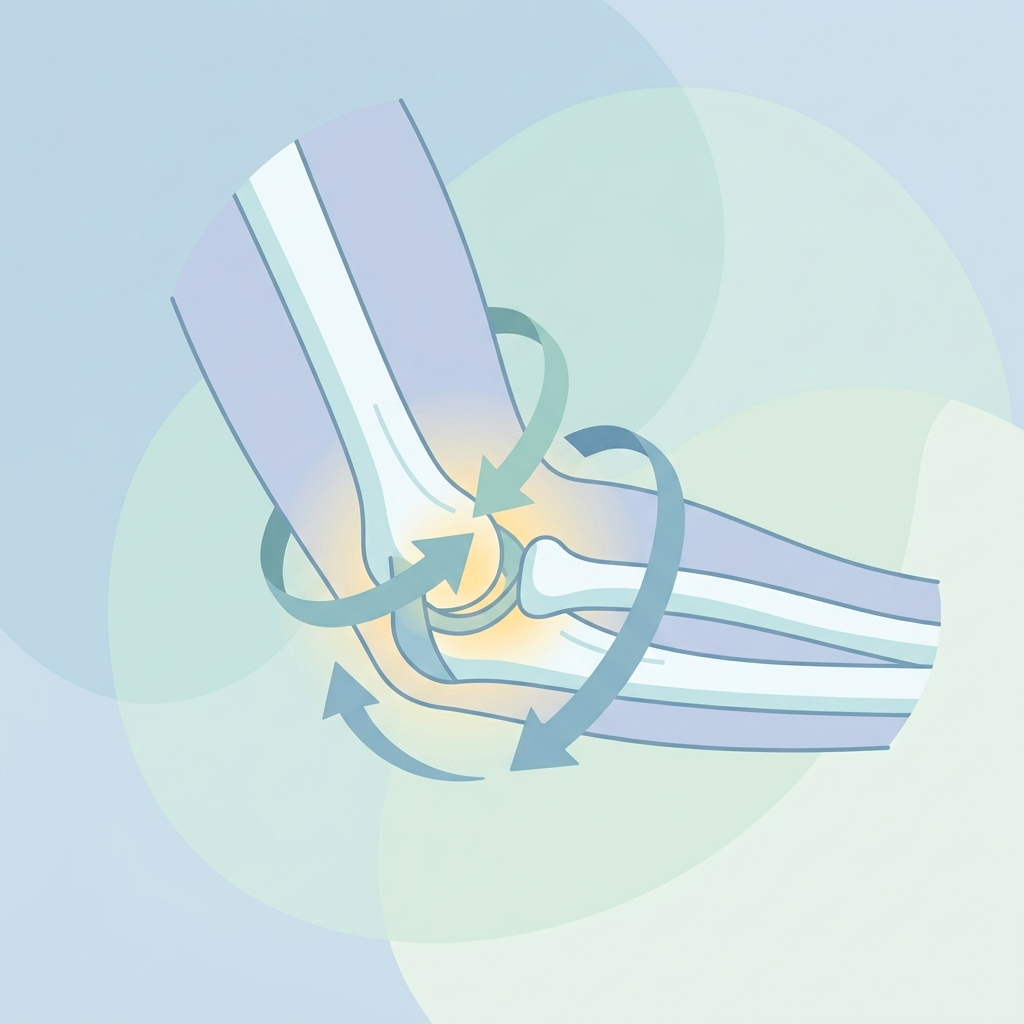
Posterolateral rotatory instability (PLRI) is a condition where the elbow joint is loose and does not stay in its proper position. It is the most common type of chronic elbow instability. In a normal elbow, strong bands of tissue called ligaments keep the bones aligned. In PLRI, the ligaments on the outer side of the elbow are stretched or torn. This causes the lower arm bone (radius) to slide out of place (subluxate) relative to the upper arm bone (humerus) when you use your arm, especially when you push up from a chair or twist your forearm.
Q2. What causes posterolateral rotatory instability?
PLRI is usually caused by an injury that damages the lateral collateral ligament (LCL) complex, specifically the lateral ulnar collateral ligament (LUCL). Common causes include:
- A sudden fall on an outstretched hand, where the elbow is pushed and twisted.
- An elbow dislocation or fracture that tears the outer ligaments.
- Previous elbow surgery or injections that accidentally weakened the outer ligaments.
- Long-standing elbow misalignment or wear and tear.
Q3. What are the main symptoms of PLRI?
Symptoms of PLRI can vary but typically include:
- A feeling that the elbow is sliding out of joint, clicking, popping, or catching.
- Pain on the outer side of the elbow, which may get worse with activity.
- A feeling of weakness or instability when pushing up from a chair using your arms.
- Apprehension or fear when performing activities that twist or load the elbow.
Q4. How does PLRI feel during everyday activities?
If you have PLRI, you might feel a sharp pain, a click, or a shifting sensation during specific movements. Examples include:
- Pushing yourself up from a seated position (like getting out of a chair or bed).
- Doing push-ups.
- Leaning on your hand with your elbow slightly bent.
- Twisting your forearm outward, such as when turning a doorknob or using a screwdriver.
Q5. Who is most at risk for developing posterolateral rotatory instability?
PLRI can affect anyone, but it is more common in:
- Athletes who participate in sports with a high risk of falls (like gymnastics, football, or cycling).
- Individuals who have had a prior elbow injury, such as a dislocation or a broken bone.
- People who have had multiple cortisone injections on the outer side of the elbow.
- Patients with generalized joint laxity (naturally loose or double-jointed elbows).
Q6. How is PLRI diagnosed by a doctor?
An elbow specialist diagnoses PLRI through a detailed history and physical examination. During the exam, the doctor will perform specific stability tests, such as:
- The Lateral Pivot-Shift Test: The doctor gently bends and rotates your elbow while applying pressure to see if the joint starts to slide out of place. This test is often done under sedation or anesthesia if pain makes it hard to relax the arm.
- The Chair Push-Up Test: You will be asked to push yourself up from a chair to see if it triggers instability or apprehension.
- The Prone Push-Up Test: You push up from the floor with your forearms turned outward.
Q7. What imaging tests are used to check for PLRI?
While a physical exam is the most important tool, imaging tests help confirm the diagnosis and check for other issues:
- X-rays: These can show if the bones are aligned and if there are any old fractures or bone chips.
- Stress X-rays: X-rays taken while the doctor gently applies pressure to the elbow to show the joint opening up or sliding.
- MRI Scan: An MRI can show detailed pictures of the ligaments on the outer side of the elbow to see if they are stretched, partially torn, or completely torn.
Q8. Can PLRI heal on its own without surgery?
In some cases, yes. If the instability is mild or the injury is very recent (acute), it may heal with rest and non-surgical treatment. However, if the lateral ulnar collateral ligament is completely torn or has healed stretched out, the instability often becomes chronic. Chronic PLRI does not usually heal on its own and may require surgery if it interferes with your daily activities or causes ongoing pain.
Q9. What are the non-surgical treatment options for PLRI?
Non-surgical treatments are often the first step, especially for mild instability. These include:
- Activity Modification: Avoiding activities that cause the elbow to shift, click, or pop.
- Bracing: Wearing a special elbow brace that prevents the joint from twisting while allowing normal bending.
- Physical Therapy: Strengthening the muscles around the elbow to help support the joint.
- Anti-inflammatory Medication: Taking medicines like ibuprofen to help reduce pain and swelling.
Q10. How can physical therapy help with elbow instability?
Physical therapy focuses on strengthening the muscles that cross the elbow joint. While muscles cannot replace a torn ligament, they can act as dynamic stabilizers to help keep the bones in place. Your therapist will guide you through exercises to strengthen:
- The forearm muscles (pronators and supinators).
- The triceps and biceps.
- The shoulder and upper back muscles to improve overall arm movement and reduce stress on the elbow.
Q11. When is surgery recommended for PLRI?
Surgery is usually recommended if:
- Non-surgical treatments have not improved your symptoms after several months.
- The elbow continues to shift, click, pop, or slide out of joint during daily activities.
- You have severe pain and a complete tear of the outer ligaments.
- You are an athlete or have a job that requires heavy use of your arm, making a stable elbow essential.
Q12. What does surgery for posterolateral rotatory instability involve?
The surgery is called a Lateral Ulnar Collateral Ligament (LUCL) Reconstruction. Because the damaged ligament is often stretched or scarred, it usually cannot simply be stitched back together. Instead, the surgeon reconstructs (rebuilds) the ligament using a tissue graft. This graft is usually:
- A tendon graft taken from another part of your body (like the palmaris longus tendon in your forearm or a hamstring tendon).
- A donor tendon graft (allograft).
The surgeon secures the new graft into tunnels drilled into the upper arm bone (humerus) and lower arm bone (ulna) to restore the elbow's stability.
Q13. What is the recovery process like after PLRI surgery?
Recovery is a gradual process designed to protect the new ligament graft while slowly restoring movement:
- Weeks 1 to 2: Your elbow is kept in a splint or brace to keep it still and allow the initial healing to occur.
- Weeks 2 to 6: You transition into a hinged elbow brace that allows controlled bending but prevents twisting. Gentle range-of-motion exercises begin.
- Weeks 6 to 12: The brace is slowly phased out, and active exercises to rebuild strength begin.
- Months 3 to 6: Progressive strengthening and gradual return to normal daily activities and sports occur. Full recovery can take 6 to 9 months.
Q14. What are the potential risks of leaving PLRI untreated?
Leaving chronic elbow instability untreated can lead to:
- Persistent pain, clicking, and shifting that limits your ability to work, exercise, or perform daily tasks.
- Chronic wear and tear on the cartilage inside the joint.
- Early-onset elbow osteoarthritis due to the bones repeatedly rubbing together abnormally.
- Stiffening of the joint as your body tries to protect the unstable area by tightening surrounding muscles.
Q15. How can I prevent posterolateral rotatory instability or re-injury?
While you cannot prevent sudden accidents, you can reduce your risk of injury or re-injury by:
- Maintaining good strength and flexibility in your arms and shoulders.
- Using proper technique when lifting, performing exercises, or playing sports.
- Wearing recommended protective gear during high-risk sports.
- Working closely with a physical therapist during your rehabilitation to ensure your elbow is fully recovered before returning to active sports or heavy lifting.
We encourage you to write down any specific questions you have and discuss them thoroughly with your surgeon, doctor, or physical therapist. They are your best resource for personalized advice and care.
Disclaimer: This brochure provides general information and is not a substitute for professional medical advice. Always consult your doctor or qualified healthcare provider with any questions you may have regarding your specific medical condition and treatment plan.

Related articles
Browse all articlesTrusted External Resources
Curated educational materials to help you make informed decisions about your orthopaedic bone & joint conditions.

Orthopaedia

Orthogate Patient Education