
Osteochondritis Dissecans
Get Clear, Concise Answers to Your Top Questions About Osteochondritis Dissecans
Q1. What is Osteochondritis Dissecans (OCD) of the elbow?
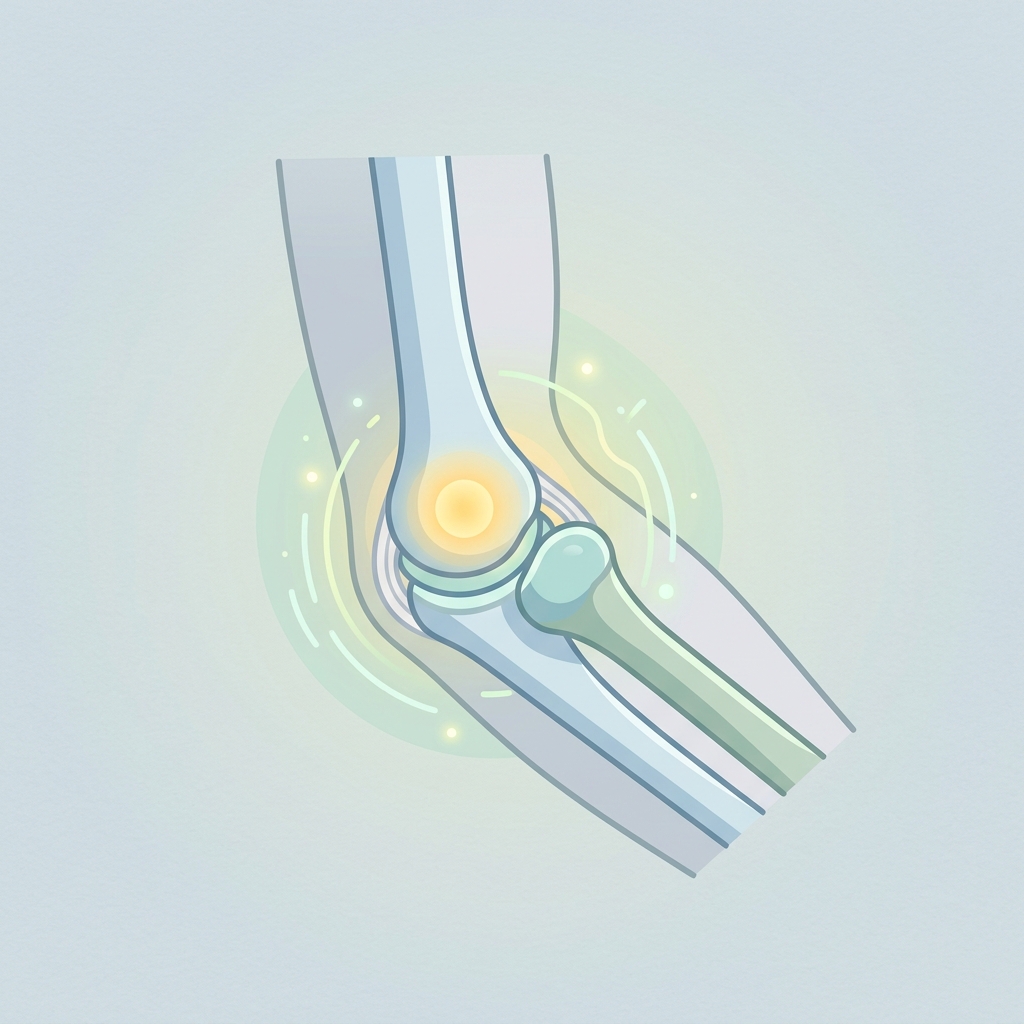
Osteochondritis Dissecans (OCD) of the elbow is a joint condition where a small segment of bone and its overlying cartilage lose their blood supply. This lack of blood flow causes the bone beneath the cartilage to weaken. Over time, the affected bone and cartilage can crack, loosen, or even detach and float inside the elbow joint. It most commonly occurs in the capitellum, which is the rounded outer part of the elbow joint at the end of the humerus (upper arm bone).
Q2. Who is most likely to develop Osteochondritis Dissecans of the elbow?
Elbow OCD primarily affects adolescents and young teenagers, typically between the ages of 10 and 16, who participate in high-demand, repetitive sports. It is most commonly seen in:
- Baseball pitchers and other throwing athletes
- Gymnasts
- Cheerleaders
- Tennis players
Q3. What causes Osteochondritis Dissecans in the elbow?
Elbow OCD is caused by repetitive stress and microtrauma to the elbow joint. When young athletes perform repetitive overhand throwing or use their arms to support their body weight, it puts intense pressure on the outer side of the elbow. This repetitive compression forces the radial head against the capitellum, which can disrupt the delicate blood supply to the growing bone, eventually leading to OCD.
Q4. What are the common symptoms of elbow OCD?
The symptoms of elbow OCD usually develop gradually over several weeks or months. Common signs include:
- A dull, aching pain on the outside of the elbow, which worsens with throwing, tumbling, or physical activity and improves with rest
- Swelling, stiffness, and tenderness on the outer part of the elbow
- Difficulty fully straightening or bending the arm
- Clicking, popping, or a catching sensation within the joint
- A feeling that the elbow is locking or giving way, which often indicates that a piece of bone or cartilage has detached
Q5. How is Osteochondritis Dissecans of the elbow diagnosed?
An accurate diagnosis is essential for planning the right treatment. Dr. Veillette will perform a thorough evaluation that includes:
- A detailed medical history, focusing on the patient's sports participation and symptom progression
- A physical examination to check for localized tenderness, swelling, range of motion, and stability of the elbow
- X-rays, which are the first step to visualize the bones and check for any obvious bone lesions or loose fragments
- An MRI scan, which is crucial for evaluating the health of the cartilage cover, determining the size of the lesion, checking the blood supply, and deciding if the bone segment is stable or loose
Q6. Are there different stages or grades of elbow OCD?
Yes, elbow OCD is classified into stages based on the stability of the fragment, which is determined by imaging scans. These stages help guide treatment decisions:
- Stage I (Stable): The cartilage is intact, and the underlying bone is damaged but remains firmly in place. There is no loose fragment.
- Stage II (Stable but cracking): The cartilage shows some cracking or partial separation, but the fragment is still attached and stable.
- Stage III (Unstable): The fragment is partially detached or loose but remains in its original position.
- Stage IV (Loose Body): The fragment has completely detached and is floating freely inside the elbow joint, which can cause locking and further joint damage.
Q7. What are the non-surgical treatment options for elbow OCD?
For stable lesions (Stages I and II) in young patients whose growth plates are still open, non-surgical treatment is often highly successful. This conservative approach includes:
- Strict rest: Complete cessation of throwing, gymnastics, or weight-bearing activities for 3 to 6 months to allow the bone to heal.
- Bracing or splinting: Temporary immobilization in a brace or splint may be recommended to protect the elbow and ensure compliance with rest.
- Physical therapy: Once pain subsides, a structured rehab program is started to restore elbow flexibility, strengthen surrounding muscles, and correct biomechanical errors.
- Monitoring: Regular check-ups and repeat X-rays or MRIs to confirm the bone is healing before returning to sports.
Q8. When is surgery recommended for Osteochondritis Dissecans of the elbow?
Surgery is typically recommended if non-surgical treatment has not healed the elbow after several months, or if the patient is close to skeletal maturity. Surgery is also required immediately for unstable lesions (Stage III) or when a fragment has broken free as a loose body (Stage IV), as these can cause permanent damage to the joint surface.
Q9. What surgical options are available for elbow OCD?
Dr. Veillette utilizes minimally invasive arthroscopic techniques whenever possible. The specific surgical procedure depends on the size and stability of the fragment:
- Drilling (Arthroscopic Drilling): For intact but poorly healing bone, tiny holes are drilled into the lesion to stimulate new blood vessel growth and promote healing.
- Fragment Fixation: If the fragment is large and has good bone quality, it can be secured back in place using small, absorbable pins or screws.
- Debridement and Microfracture: If the fragment cannot be saved, it is removed, and the exposed bone bed is prepared (microfracture) to stimulate the growth of new scar cartilage (fibrocartilage).
- Osteochondral Autograft Transfer (OATS): For large, damaged areas on the joint surface, healthy bone and cartilage plugs may be taken from another area (like the knee) and transplanted to rebuild the elbow joint.
Q10. What is the recovery time and rehab process after elbow OCD surgery?
Recovery is a gradual process designed to protect the joint while rebuilding function. In the first few weeks, the elbow is protected in a splint or brace, with gentle range-of-motion exercises introduced early. Around 6 weeks, physical therapy shifts to strengthening the arm and shoulder. Full recovery and a return to sports usually take between 4 and 9 months, depending on the complexity of the surgery performed.
Q11. Can elbow OCD heal on its own in children and teenagers?
Yes, elbow OCD has a high potential to heal without surgery in younger children who are still growing and have open growth plates. This is because their bones have a robust blood supply and active bone remodeling capabilities. However, healing still requires a prolonged period of strict rest from repetitive throwing or weight-bearing activities.
Q12. What are the risks of leaving Osteochondritis Dissecans of the elbow untreated?
Leaving elbow OCD untreated can lead to serious, long-term complications. These include chronic outer elbow pain, permanent loss of range of motion (stiffness), and a high risk of developing early-onset osteoarthritis in the elbow joint due to uneven wear on the cartilage surface. Unstable fragments can also cause mechanical locking, damaging other areas of the joint.
Q13. Can a patient return to competitive sports after recovering from elbow OCD?
Many young athletes successfully return to competitive sports after recovering from elbow OCD, but it requires patience and a structured return-to-play program. For throwing athletes, this includes a progressive throwing program to gradually rebuild endurance and correct throwing mechanics. In some cases of severe joint damage, a permanent modification of sports activities may be discussed to protect long-term joint health.
Q14. What steps can young athletes take to prevent elbow OCD?
Prevention focuses on managing overuse and avoiding excessive stress on the growing elbow. Key strategies include:
- Adhering strictly to youth pitching guidelines, including daily and weekly pitch counts and mandatory rest periods
- Avoiding year-round participation in throwing or gymnastics; taking at least 3 months off from these activities annually
- Promptly reporting any elbow pain or stiffness, rather than trying to play through the discomfort
- Focusing on proper throwing biomechanics and full-body strength conditioning to reduce the load placed directly on the elbow
Q15. What should I ask Dr. Veillette during my consultation about elbow OCD?
Preparing questions can help you make informed decisions about your child's care. Consider asking:
- What stage is my child's elbow OCD, and are the growth plates still open?
- Do you recommend a trial of non-surgical treatment first, and for how long?
- What are the specific signs we should look for that indicate the condition is worsening?
- If surgery is needed, which procedure do you recommend and why?
- What will the rehabilitation schedule look like, and when is it safe to return to sports?
We encourage you to write down any specific questions you have and discuss them thoroughly with your surgeon, doctor, or physical therapist. They are your best resource for personalized advice and care.
Disclaimer: This brochure provides general information and is not a substitute for professional medical advice. Always consult your doctor or qualified healthcare provider with any questions you may have regarding your specific medical condition and treatment plan.

Related articles
Browse all articlesTrusted External Resources
Curated educational materials to help you make informed decisions about your orthopaedic bone & joint conditions.

Orthopaedia
Orthogate Patient Education