
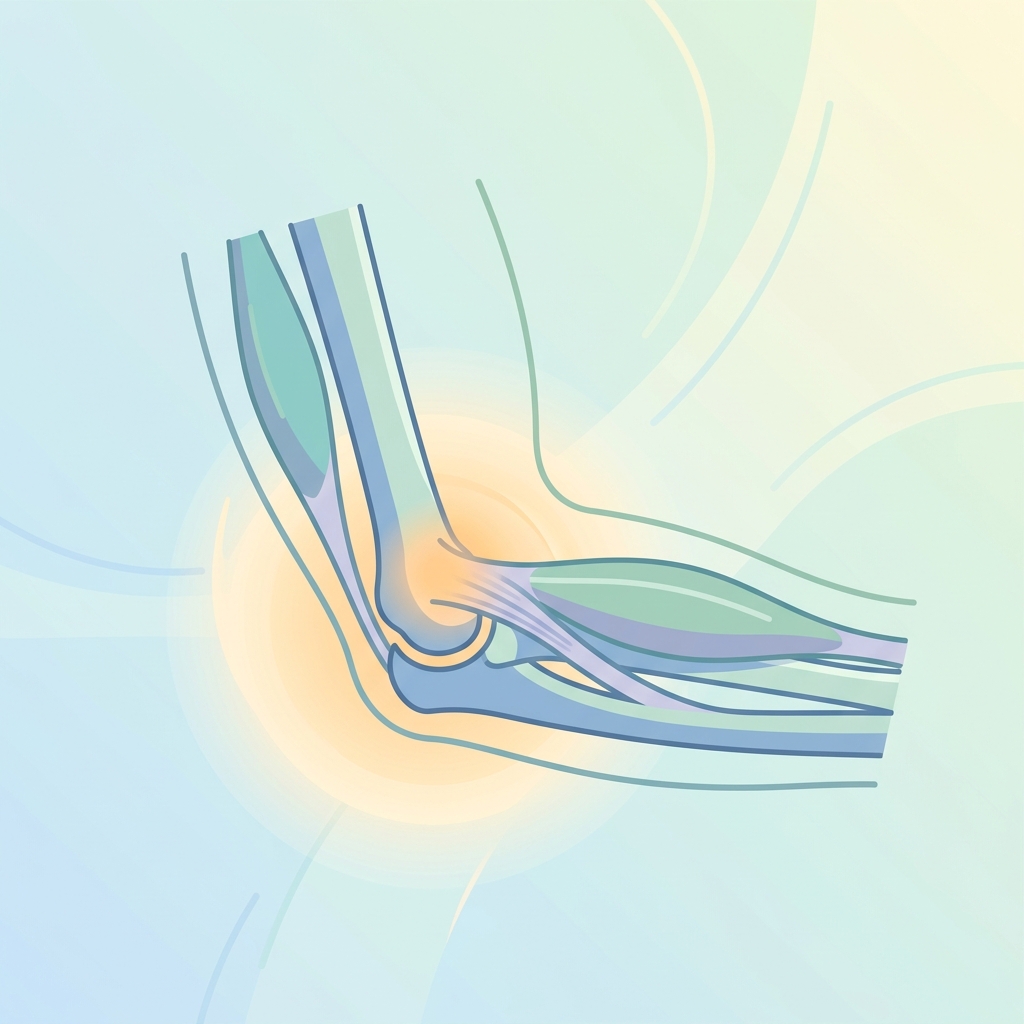
Common Extensor Repair: Tendon debridement and reattachment for chronic tennis elbow (lateral epicondylitis)
Get Clear, Concise Answers to Your Top Questions About Common Extensor Repair.
Q1. What is a common extensor repair, and why is it performed?
A common extensor repair is a surgical procedure to treat severe, chronic tennis elbow (lateral epicondylitis) that has not responded to non-surgical treatments. During the procedure, the surgeon removes damaged, scarred tendon tissue (debridement) and reattaches the healthy portion of the tendon to the bone. This surgery is performed to relieve persistent outer elbow pain, restore forearm strength, and help you return to pain-free daily activities.
Q2. What is the common extensor tendon, and what is its role in the elbow?
The common extensor tendon is a thick band of tissue on the outside of your elbow that connects your forearm muscles to the humerus (upper arm bone). Specifically, it attaches to a bony bump called the lateral epicondyle. These forearm muscles and the tendon work together to allow you to:
- Extend (bend backward) your wrist.
- Straighten your fingers.
- Grip and lift objects with your hand.
Q3. How does chronic lateral epicondylitis (tennis elbow) lead to needing surgery?
Tennis elbow begins with repetitive strain or micro-tears in the tendon, often from sports or work activities. If the tendon cannot heal properly, it undergoes degeneration where the body replaces normal, healthy tendon fibers with weak, painful, and disorganized scar tissue. When this degeneration becomes chronic and causes persistent pain and weakness that interferes with daily life, surgery is needed to remove the diseased tissue and repair the tendon.
Q4. What non-surgical treatments are tried before considering a common extensor repair?
Surgery is typically considered a last resort. Before recommending repair, Dr. Veillette will usually explore conservative options for at least 6 to 12 months, including:
- Rest and activity modification to avoid painful movements.
- Physical therapy to stretch and strengthen the forearm muscles.
- Wearing a counterforce brace (tennis elbow strap) to reduce load on the tendon.
- Anti-inflammatory medications (oral or topical) to manage discomfort.
- Cortisone or platelet-rich plasma (PRP) injections to aid in pain relief and healing.
Q5. How is a tear or degeneration of the common extensor tendon diagnosed?
To diagnose the condition and determine if surgery is appropriate, Dr. Veillette will perform a thorough assessment:
- A physical exam to check for tenderness directly over the lateral epicondyle and pain when you extend your wrist or fingers against resistance.
- X-rays to check for bone spurs or calcification in the tendon.
- An ultrasound or MRI scan to visualize the tendon structure, confirm the severity of the degeneration, and check for any partial or complete tears.
Q6. How should I prepare for my common extensor repair surgery?
To prepare for your procedure:
- Follow all fasting instructions (no food or drink) provided by your surgical team.
- Inform Dr. Veillette of all medications you take, especially blood thinners, and follow instructions on which to stop.
- Arrange for a responsible adult to drive you home after surgery and stay with you for the first 24 hours.
- Set up a comfortable recovery area at home with pillows to elevate your arm, and wear loose clothing with wide sleeves.
Q7. What type of anesthesia is used during this procedure?
Common extensor repair is typically performed as an outpatient procedure. You will likely receive:
- General anesthesia to keep you asleep and pain-free during the operation.
- A regional nerve block (an injection near the shoulder or collarbone) to numb your arm. This block provides excellent pain control that lasts for several hours after you wake up.
Q8. What happens during the common extensor repair surgical procedure?
During the procedure, the surgeon:
- Makes a small incision on the outside of your elbow over the lateral epicondyle.
- Splits the tissue to expose the damaged common extensor tendon (specifically the short wrist extensor tendon, or ECRB).
- Carefully removes (debrides) all the degenerate, scarred, and unhealthy tendon tissue.
- Prepares the bone surface of the lateral epicondyle.
- Reattaches the healthy tendon back to the bone using small suture anchors (screws with heavy-duty thread attached) or sutures passed through small tunnels drilled in the bone.
- Closes the skin with stitches and applies a sterile dressing.
Q9. What is the difference between open and arthroscopic extensor repair?
The two main approaches are:
- Open repair: Involves a small incision (about 1.5 to 2 inches) on the outside of the elbow. This gives the surgeon direct visualization to thoroughly debride and securely reattach the tendon. It has a long track record of excellent results.
- Arthroscopic repair: Uses a tiny camera (arthroscope) and miniature instruments inserted through small keyhole incisions. The surgeon debrides the tendon from the inside of the joint. It is minimally invasive but may not be suitable for large tears requiring extensive bone-to-tendon reattachment.
Q10. What should I expect immediately after surgery in the recovery room?
When you wake up, your arm will be in a bulky sterile bandage and possibly a splint or sling. Your arm will feel numb and heavy due to the regional block, which is normal and helps keep you comfortable. The nursing staff will monitor your vitals, provide pain medication if needed, and ensure you are comfortable before you are discharged home.
Q11. Will I need to wear a splint, brace, or sling after surgery, and for how long?
Yes. To protect the repaired tendon as it begins to heal to the bone:
- You will wear a splint or a sling for the first 7 to 14 days after surgery.
- You should keep the splint on at all times, including when sleeping, to prevent sudden movements.
- At your first follow-up appointment, your stitches will be removed, and you may transition to a removable brace or strap while starting light movements.
Q12. How should I sleep to protect my elbow after surgery?
To sleep safely and comfortably:
- Sleep on your back or on your uninjured side.
- Prop your surgical arm up on two or three pillows so that your elbow and hand rest above the level of your heart. This reduces swelling and throbbing.
- Keep your protective splint or sling secured to prevent accidental bending, twisting, or rolling onto your injured arm during the night.
Q13. How can I manage pain and swelling at home?
Managing pain and swelling is crucial for a smooth recovery:
- Take your prescribed pain medications on schedule, especially during the first 48 hours as the nerve block wears off.
- Elevate your elbow and hand above heart level as much as possible.
- Apply ice packs wrapped in a dry towel to the outside of your elbow for 15 to 20 minutes at a time, keeping the bandage completely dry.
- Move your fingers and wrist gently (if permitted) to help pump away fluid and reduce hand stiffness.
Q14. When can I start physical therapy, and what will rehabilitation involve?
Physical therapy typically begins within 1 to 2 weeks after surgery:
- Phase 1 (Weeks 1-6): Focuses on protecting the repair, reducing swelling, and restoring gentle, passive range of motion (where the therapist moves your arm).
- Phase 2 (Weeks 6-12): Focuses on active range of motion (moving the arm yourself) and starting very light forearm stretches.
- Phase 3 (Months 3-6): Focuses on progressive strengthening of the wrist extensors, forearm, and shoulder muscles to restore full function.
Q15. What is the typical recovery timeline, and when can I return to sports or work?
Recovery from a common extensor repair is a gradual journey:
- Light daily activities / Desk work: You can return in 1 to 2 weeks, using your non-operated hand for heavy tasks.
- Driving: You can drive once you am off prescription pain medications and can safely steer (usually 2 to 3 weeks).
- Physical labor / Sports: Because the tendon takes at least 3 months to firmly bond to the bone, you should avoid heavy lifting, gripping, or racquet sports for 3 to 4 months, with full return to athletics taking 4 to 6 months.
We encourage you to write down any specific questions you have and discuss them thoroughly with your surgeon, doctor, or physical therapist. They are your best resource for personalized advice and care.
Disclaimer: This brochure provides general information and is not a substitute for professional medical advice. Always consult your doctor or qualified healthcare provider with any questions you may have regarding your specific medical condition and treatment plan.

Related articles
Browse all articlesTrusted External Resources
Curated educational materials to help you make informed decisions about your orthopaedic bone & joint conditions.

Orthopaedia

Orthogate Patient Education