
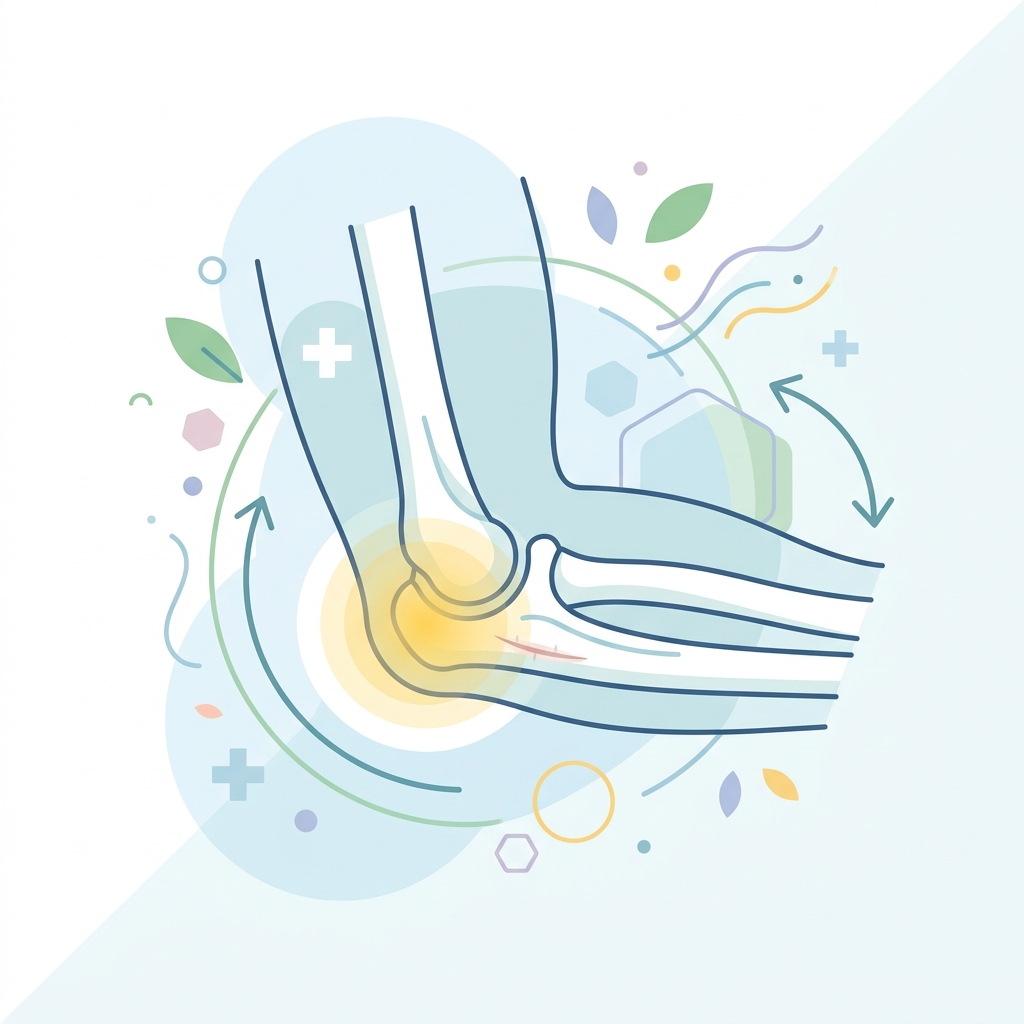
Bursectomy, Olecranon: Open excision of the olecranon bursa for chronic or septic bursitis
Get Clear, Concise Answers to Your Top Questions About Olecranon Bursectomy
Q1. What is an olecranon bursectomy and why is it performed?
An olecranon bursectomy is a surgical procedure to remove the olecranon bursa, a small fluid-filled sac located at the tip of the elbow (the olecranon). The bursa acts as a cushion between the bones and the overlying skin. When this sac becomes chronically inflamed, thickened, or infected (septic bursitis), and does not respond to conservative treatments, surgical removal (excision) is performed to eliminate the source of pain, swelling, and infection.
Q2. What is the difference between chronic and septic olecranon bursitis?
The main differences include:
- Chronic Bursitis: Long-standing inflammation typically caused by repetitive pressure on the elbow, minor trauma, or underlying conditions like gout or rheumatoid arthritis. It causes the bursa to swell and fill with fluid over time.
- Septic Bursitis: A serious condition where bacteria infect the bursa, leading to rapid swelling, pain, warmth, redness, and sometimes fever. A septic bursa requires prompt treatment to prevent the infection from spreading.
Q3. When is open excision (bursectomy) recommended over non-surgical treatments?
Open excision is recommended when conservative options have failed. For chronic bursitis, this includes rest, compression, activity modification, anti-inflammatory medications, or fluid aspiration. For septic bursitis, surgery is indicated if antibiotics and needle drainage fail to clear the infection, or if the infection is severe and accompanied by significant tissue necrosis.
Q4. How do I prepare for open olecranon bursa surgery?
To prepare for your surgery, you will receive specific instructions from Dr. Christian Veillette's clinical team. These typically include:
- Fasting (no food or drink) for a specified period before surgery.
- Adjusting or temporarily stopping certain medications, especially blood thinners.
- Arranging for a responsible adult to drive you home after the procedure.
- Showering with a special antibacterial soap if instructed.
Q5. What type of anesthesia is used during an olecranon bursectomy?
An olecranon bursectomy is usually performed as an outpatient procedure. It can be done under:
- Local anesthesia with sedation: Numbs the elbow area while keeping you relaxed.
- Regional anesthesia: A nerve block that numbs your entire arm.
- General anesthesia: You are asleep for the duration of the surgery.
Dr. Veillette and the anesthesiologist will discuss the best option for you based on your medical history and the severity of the bursitis.
Q6. How is the open excision of the olecranon bursa performed?
During the procedure, a longitudinal incision is made over the back of the elbow. Dr. Veillette carefully separates the inflamed or infected bursa from the surrounding tissues and the olecranon bone, removing it completely. If the bursitis is septic (infected), the area is thoroughly washed out with sterile saline solution to eliminate bacteria and debris.
Q7. Will I need to stay in the hospital after the procedure?
No, an open olecranon bursectomy is typically an outpatient (same-day) procedure. You will spend a brief period in the recovery area while the anesthesia wears off and the recovery team monitors your vital signs. Once you are comfortable, stable, and able to tolerate fluids, you will be discharged to go home.
Q8. How is the surgical incision closed, and will there be a scar?
The incision is closed using sutures (stitches) or surgical staples. A sterile dressing and a compressive wrap are applied to protect the wound and minimize swelling. Because the incision is made directly over the back of the elbow, a linear scar will be visible, which typically fades and softens over several months.
Q9. Will I need to wear a splint or elbow brace after surgery?
Yes, a posterior splint or a soft compressive dressing is often placed after surgery to keep your elbow in a slightly extended position. This reduces tension on the healing skin incision and prevents fluid from re-accumulating. You will need to wear the splint or dressing as instructed by Dr. Veillette, usually until your first follow-up appointment.
Q10. What is the expected timeline for recovery and returning to daily activities?
Most patients can return to light daily activities that do not involve the surgical arm within a few days. The splint and stitches are typically removed 10 to 14 days after surgery. Gentle motion is then started. Complete healing of the skin and deeper tissues takes about 4 to 6 weeks. Returning to heavy lifting, sports, or repetitive elbow pressure may take 6 to 8 weeks or longer.
Q11. How should I manage pain and swelling after my surgery?
Managing post-operative discomfort involves several strategies:
- Elevate your elbow above the level of your heart using pillows, especially during the first 48 hours, to reduce swelling.
- Apply ice packs to the dressed elbow for 15-20 minutes at a time, ensuring the dressing remains completely dry.
- Take prescribed pain medications or over-the-counter anti-inflammatories exactly as directed by Dr. Veillette's team.
Q12. What are the best sleeping positions and tips for comfort post-operatively?
Sleeping can be challenging after elbow surgery. Tips for better sleep include:
- Sleep on your back or on the opposite side of the surgical arm.
- Prop your surgical arm up on several pillows to keep it elevated and reduce throbbing pain.
- Wear your splint or brace as prescribed to prevent accidental bending or bumping of the elbow during sleep.
Q13. When can I start physical therapy, and what exercises are involved?
Gentle range-of-motion exercises for the fingers, wrist, and shoulder can begin immediately. Elbow movement is typically initiated after the splint and stitches are removed (around 10-14 days). Formal physical therapy may be recommended to help restore full elbow extension and flexion. Strength training is gradually introduced once the incision is completely healed and pain has subsided.
Q14. What are the potential risks and complications of an open bursectomy?
As with any surgery, risks include:
- Infection (particularly if the surgery was for septic bursitis).
- Poor wound healing or skin breakdown over the tip of the elbow due to thin skin in this area.
- Recurrence of the bursa or fluid accumulation (seroma).
- Stiffness or loss of elbow motion.
- Numbness or tingling from irritation of local nerves.
Dr. Veillette will discuss these risks and how they are minimized during your pre-operative consultation.
Q15. When should I contact Dr. Veillette's office or seek immediate medical attention?
Contact Dr. Veillette's office immediately if you experience:
- A sudden increase in pain that is not relieved by medication.
- Increased redness, warmth, or swelling around the elbow.
- Pus or foul-smelling drainage from the incision.
- A fever above 38°C (100.4°F) or chills.
- Numbness, tingling, or weakness in your hand or fingers that was not present before.
We encourage you to write down any specific questions you have and discuss them thoroughly with your surgeon, doctor, or physical therapist. They are your best resource for personalized advice and care.
Disclaimer: This brochure provides general information and is not a substitute for professional medical advice. Always consult your doctor or qualified healthcare provider with any questions you may have regarding your specific medical condition and treatment plan.

Related articles
Browse all articlesTrusted External Resources
Curated educational materials to help you make informed decisions about your orthopaedic bone & joint conditions.

Orthopaedia
Orthogate Patient Education