
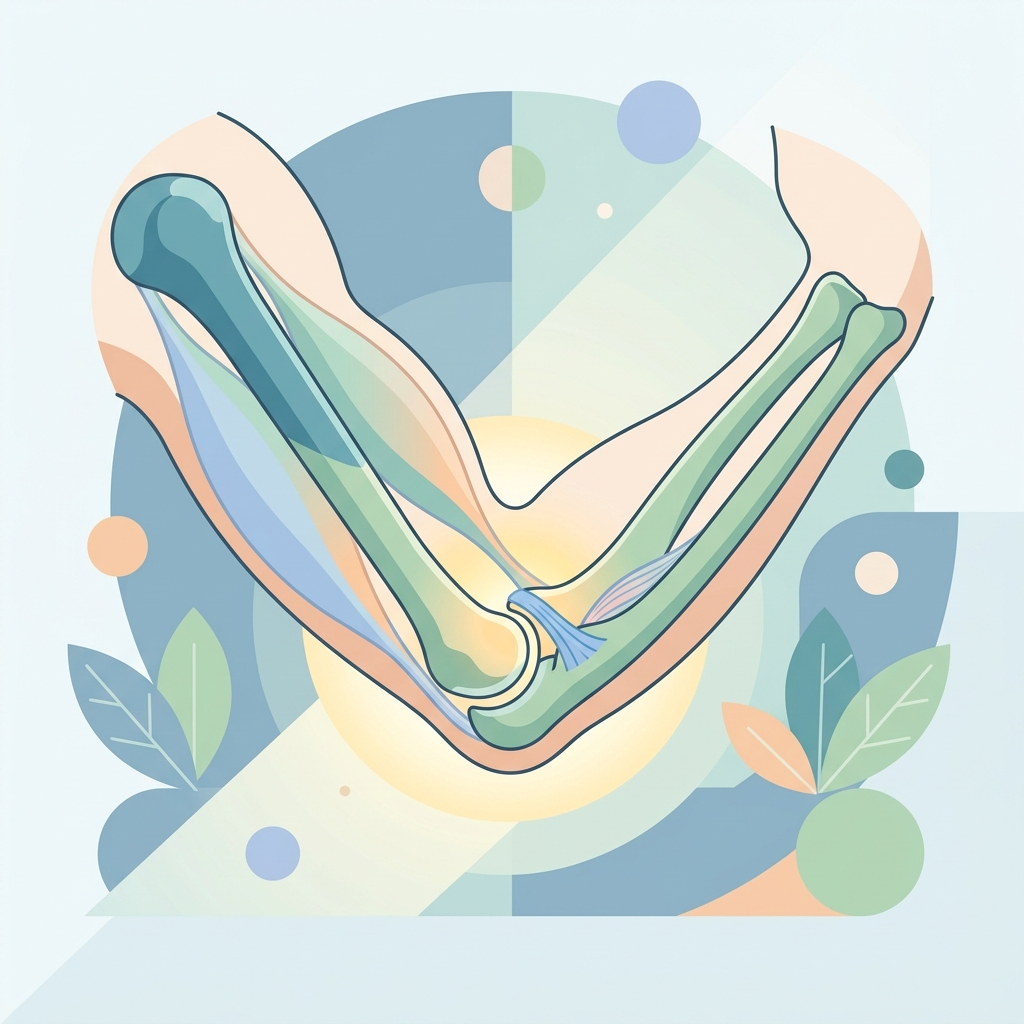
Arthroscopic Osteocapsular Arthroplasty
Get Clear, Concise Answers to Your Top Questions About Arthroscopic Osteocapsular Arthroplasty
Q1. What is Arthroscopic Osteocapsular Arthroplasty?
Arthroscopic osteocapsular arthroplasty is a minimally invasive surgery performed to treat severe stiffness and arthritis in the elbow. The term "osteo" refers to bone spurs, "capsular" refers to the joint capsule (the tissue envelope surrounding the joint), and "arthroplasty" means rebuilding or restoring the joint. During this procedure, a surgeon uses a small camera (arthroscope) and specialized instruments through tiny incisions to remove bone spurs, release tight tissues, and clear out debris. This helps to restore motion and reduce pain in a stiff elbow joint.
Q2. Why is this procedure recommended for my elbow?
This procedure is typically recommended when your elbow joint has become stiff, painful, and limited in its range of motion due to arthritis, previous injuries, or repetitive wear and tear. If conservative treatments like physical therapy, medication, or injections have failed to improve your mobility and ease your pain, surgery is considered. The goal is to clean out the joint and release the tight capsule so you can bend, straighten, and rotate your arm more comfortably during daily activities.
Q3. What are the main symptoms this surgery helps treat?
This surgery is specifically designed to address symptoms that interfere with your daily life, including:
- Severe elbow stiffness or loss of the ability to fully straighten or bend your arm.
- Chronic pain, especially when reaching the limits of your elbow's movement.
- A grinding or catching sensation (crepitus) inside the joint.
- Deep ache in the elbow that worsens with activity or cold weather.
- Difficulty performing basic tasks, such as eating, styling hair, or reaching for objects.
Q4. How does the surgeon perform this procedure arthroscopically?
The surgeon makes several tiny incisions (portals) around the elbow joint, usually less than a centimeter long. An arthroscope, which is a thin tube with a camera and light, is inserted to project high-definition images of the joint onto a monitor. Through the other small incisions, the surgeon uses precision instruments to:
- Shave away bone spurs (osteophytes) that physically block movement.
- Carefully release or remove portions of the thickened, tight joint capsule.
- Remove any loose fragments of bone or cartilage floating in the joint.
- Smooth out rough joint surfaces to allow for smoother movement.
Q5. How should I prepare for my upcoming elbow surgery?
Preparing for surgery helps ensure a safe procedure and a smooth recovery. You should:
- Attend all scheduled pre-operative appointments and complete any required blood work or health checks.
- Provide a full list of your medications and supplements to your medical team, as you may need to stop taking blood thinners or anti-inflammatory drugs.
- Arrange for a responsible adult to drive you home after surgery and help you at home for the first day or two.
- Set up your home beforehand by placing frequently used items within easy reach of your non-operated arm.
- Do not eat or drink anything after midnight on the night before your surgery.
Q6. What type of anesthesia is used during the procedure?
Most patients receive a combination of regional anesthesia and general anesthesia. A regional nerve block is performed by injecting numbing medication near the nerves in your shoulder or neck. This blocks pain signals from your arm, keeping it completely numb during the surgery and for several hours afterward. General anesthesia is also used to keep you asleep and comfortable throughout the procedure. Your anesthesiologist will discuss the best options for your health and preferences.
Q7. What can I expect on the day of the surgery?
On the day of your surgery, you will arrive at the surgical center and change into a hospital gown. The medical team will verify your details, check your vital signs, and mark the correct elbow. The anesthesiologist will administer the nerve block, and you will be taken to the operating room. The surgery itself typically takes one to two hours, after which you will be moved to the recovery area where nurses will monitor you as the anesthesia wears off.
Q8. What is the immediate recovery like in the hospital or surgical center?
In the recovery room, your elbow will be wrapped in a bulky bandage, and your arm will likely feel completely numb and heavy due to the nerve block. Nurses will check your pulse, sensation, and movement in your fingers. You will be given pain medications as needed and offered something light to eat and drink. Once you are fully awake, your pain is well-controlled, and you can tolerate fluids, you will be allowed to go home on the same day.
Q9. Will I need to wear a splint, brace, or sling after surgery?
Yes, but the exact protocol depends on your joint's stability and the amount of stiffness corrected. Typically, a sling is used initially for comfort and to support the heavy, numb arm. In some cases, a special splint or brace may be applied to keep the elbow held in a fully straight or bent position to prevent the capsule from tightening up again. Your surgeon will instruct you on when to wear and remove the brace, which is often taken off several times a day to perform gentle range-of-motion exercises.
Q10. How can I manage my pain and swelling at home?
Managing pain and swelling is crucial for a successful recovery and allows you to participate in early rehabilitation. You should:
- Take your prescribed pain medications on schedule, especially during the first 48 hours, rather than waiting for the pain to become severe.
- Apply ice packs wrapped in a thin towel to your elbow for 15 to 20 minutes at a time, several times a day.
- Keep your elbow elevated above the level of your heart as much as possible, using pillows to prop up your arm.
- Wiggle your fingers and move your wrist frequently to help pump fluid out of your arm and reduce swelling.
Q11. What is the best position for sleeping after my elbow surgery?
Sleeping can be challenging after elbow surgery. The most comfortable position is usually reclining at a 45-degree angle in a recliner chair or propped up in bed with several pillows. Place a pillow under your operated arm and elbow to support it and prevent it from falling backward or pressing against your body. Avoid sleeping directly on your side or stomach, as this can put unnecessary pressure on the healing elbow joint.
Q12. When will I begin physical therapy, and what does it involve?
Because the primary goal of this surgery is to overcome stiffness, physical therapy and gentle movement usually start very early—often within the first few days after surgery. Early therapy focuses on gentle, passive range-of-motion exercises where a therapist or your other hand helps move the elbow. As healing progresses, you will perform active exercises to rebuild strength in the forearm, biceps, and triceps, and functional training to help you return to your normal daily activities.
Q13. How long does the complete recovery process take?
While the incisions heal within two weeks, the complete recovery of motion and strength can take several months. Most patients can return to light daily activities, such as writing or eating, within 2 to 4 weeks. Returning to heavier work, lifting, or sports usually takes 3 to 6 months of dedicated rehabilitation. Continued improvements in range of motion and comfort can occur for up to a year after the procedure.
Q14. What are the potential risks and complications of this surgery?
Arthroscopic osteocapsular arthroplasty is generally safe, but like any surgical procedure, it carries some risks. These include:
- Infection at the incision sites or deep inside the joint.
- Nerve injury, as major nerves controling hand function run very close to the elbow joint.
- Recurrent stiffness, if the capsule scars down again or if rehabilitation is not started early enough.
- Persistent pain or incomplete relief of symptoms, especially if the underlying arthritis was severe.
- Bleeding or swelling inside the joint.
Q15. When should I contact my surgeon or medical team immediately?
You should call your surgical team or seek medical attention right away if you experience any of the following warning signs:
- A sudden increase in pain that is not relieved by your medications.
- Signs of infection, such as fever, chills, or increased redness, warmth, and drainage from the incisions.
- Sudden numbness, tingling, or weakness in your hand or fingers.
- Shortness of breath or chest pain.
- Severe swelling or calf pain, which could indicate a blood clot.
We encourage you to write down any specific questions you have and discuss them thoroughly with your surgeon, doctor, or physical therapist. They are your best resource for personalized advice and care.
Disclaimer: This brochure provides general information and is not a substitute for professional medical advice. Always consult your doctor or qualified healthcare provider with any questions you may have regarding your specific medical condition and treatment plan.

Related articles
Browse all articlesTrusted External Resources
Curated educational materials to help you make informed decisions about your orthopaedic bone & joint conditions.

Orthopaedia

Orthogate Patient Education