
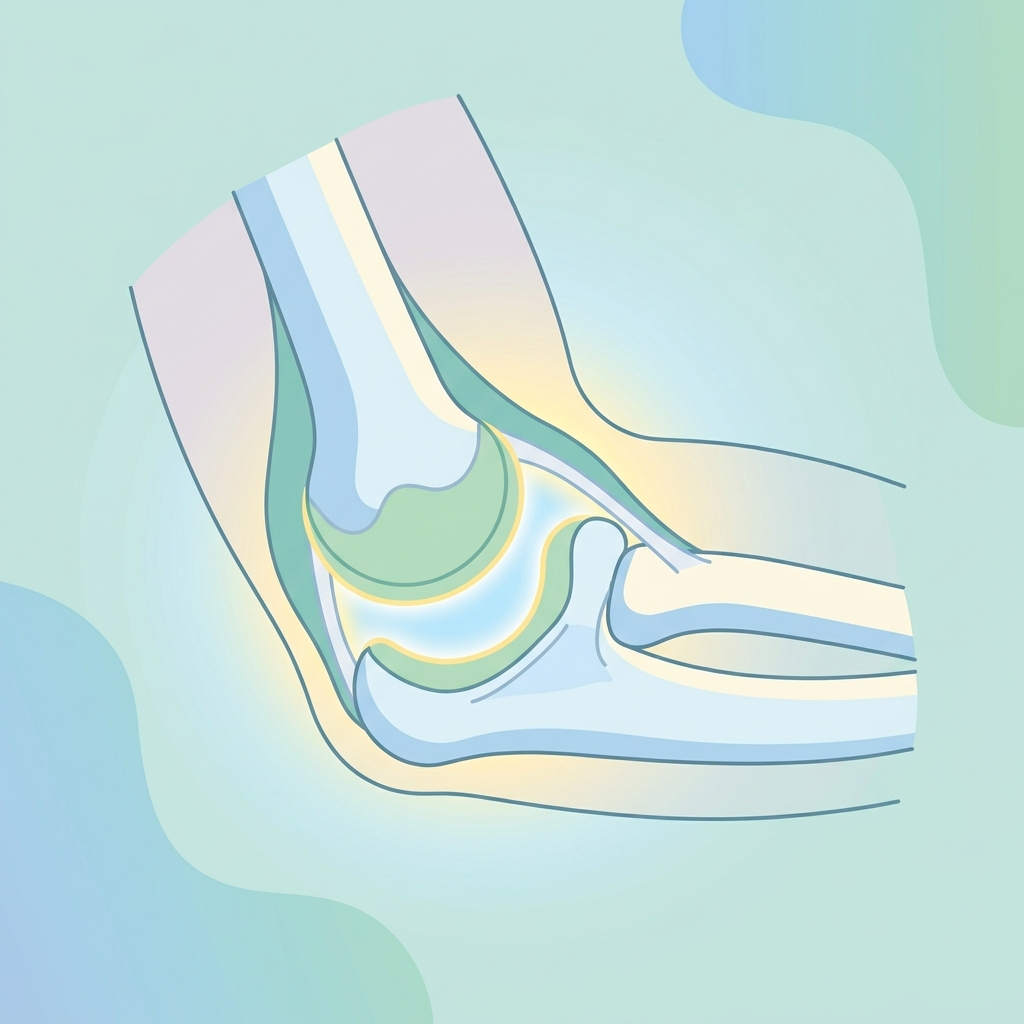
Arthroscopic Synovectomy: Excision of inflamed synovial tissue, typically for rheumatoid or inflammatory arthritis
Get Clear, Concise Answers to Your Top Questions About Arthroscopic Synovectomy
Q1. What is an arthroscopic synovectomy of the elbow?
An arthroscopic synovectomy is a minimally invasive surgery performed to remove inflamed or damaged joint lining, known as the synovium, from the elbow. Using small keyhole incisions, a tiny camera (arthroscope) and specialized instruments, your surgeon can carefully excise the diseased tissue without needing a large open incision. This helps relieve pain, reduce swelling, and improve the mobility of your elbow joint.
Q2. Why is this procedure performed?
This surgery is performed when the lining of your elbow joint becomes chronically inflamed and swollen, causing pain, stiffness, and joint damage. In conditions like rheumatoid arthritis, inflammatory arthritis, or recurrent bleeding into the joint, the body's immune system mistakenly attacks the synovium. Removing this diseased lining stops the cycle of inflammation, protects the underlying cartilage and bone from further destruction, and helps preserve joint function.
Q3. What is synovial tissue, and why does it become inflamed?
The synovium is a thin layer of tissue that lines the inside of your joints and produces a small amount of fluid to lubricate them. In a healthy elbow, it allows the joint to glide smoothly. However, in inflammatory conditions like rheumatoid arthritis or gout, the synovium becomes thick, inflamed, and hyperactive. This chronic inflammation produces excess fluid (leading to swelling) and releases destructive enzymes that slowly wear away joint cartilage and bone.
Q4. Who is a good candidate for an elbow arthroscopic synovectomy?
You may be a good candidate if you have rheumatoid arthritis or another form of inflammatory arthritis affecting your elbow, and you continue to experience significant pain, swelling, and loss of motion despite appropriate medical treatments. It is most successful in patients who have early to moderate stages of joint disease, where the protective cartilage covering the bones is still relatively intact.
Q5. How is the diagnosis confirmed before surgery is recommended?
Before recommending surgery, your medical team will perform a thorough evaluation. This typically includes:
- A physical examination to check your range of motion, tender areas, and joint stability.
- Blood tests to check for inflammatory markers, rheumatoid factor, or other antibodies.
- X-rays to evaluate the alignment of the bones and look for joint space narrowing.
- An MRI (Magnetic Resonance Imaging) or ultrasound to clearly visualize the extent of synovial thickening and inflammation inside the joint.
Q6. What are the non-surgical options before considering a synovectomy?
Surgery is usually considered only after conservative treatments have not provided sufficient relief. Non-surgical options include:
- Anti-inflammatory medications (NSAIDs) or disease-modifying antirheumatic drugs (DMARDs) managed by a rheumatologist.
- Corticosteroid injections into the elbow joint to temporarily suppress inflammation.
- Physical therapy to maintain joint motion, flexibility, and muscle strength.
- Activity modification and joint protection techniques.
Q7. How should I prepare for my elbow surgery?
To prepare for your surgery, you should:
- Review your current medications with your healthcare team, as you may need to temporarily stop blood thinners or specific arthritis medications.
- Arrange for a family member or friend to drive you home after the procedure and assist you for the first day or two.
- Fast (do not eat or drink anything) after midnight the night before your procedure, or as instructed by your surgical team.
- Wear loose-fitting clothing with wide sleeves that can easily fit over a bulky dressing or splint after surgery.
Q8. What type of anesthesia is used during the procedure?
An arthroscopic synovectomy is typically performed using a combination of regional anesthesia and general anesthesia. A regional nerve block is often administered to numb your arm, providing excellent pain relief during and immediately after the surgery. General anesthesia is also used to ensure you are asleep, comfortable, and completely relaxed throughout the procedure.
Q9. How is the surgery performed?
During the procedure, your surgeon will make two or three small keyhole incisions (about the size of a pen tip) around your elbow joint. A tiny camera is inserted through one incision to project a clear view of the joint onto a monitor. Through the other incisions, the surgeon inserts small, specialized shaving instruments to gently excise and remove the inflamed, diseased synovial tissue. The joint is then flushed with sterile fluid, and the small incisions are closed with sutures and covered with a dressing.
Q10. What are the immediate post-operative expectations and care?
Immediately after surgery, your elbow will be wrapped in a bulky dressing or a temporary splint to protect the joint and control swelling. You will spend some time in the recovery room until your anesthesia wears off. It is normal to feel some numbness in your hand and arm from the nerve block, which can last for several hours. You will receive instructions on keeping your dressing clean and dry, and when to follow up with your surgeon.
Q11. How should I manage pain and swelling after the surgery?
Managing discomfort and swelling is crucial for a smooth recovery:
- Elevate your elbow above the level of your heart as much as possible for the first 48 to 72 hours.
- Apply ice packs to your elbow for 15 to 20 minutes at a time, several times a day (keeping the dressing dry).
- Take your prescribed pain medications as directed, transitioning to over-the-counter options as your pain improves.
- Wiggle your fingers and move your wrist frequently to promote blood circulation and reduce swelling in your hand.
Q12. What is the protocol for wearing a brace or splint and sleeping post-op?
Your surgeon will guide you on splint use, but generally:
- If a temporary splint is applied, keep it in place until your first post-operative visit.
- When sleeping, place pillows under your arm to keep your elbow elevated above your chest.
- Avoid sleeping directly on your operated arm or letting your elbow hang unsupported off the edge of the bed.
- Only remove the splint or brace for physical therapy or hygiene if specifically instructed by your surgeon.
Q13. What does the rehabilitation and physical therapy process look like?
Rehabilitation is key to restoring your elbow's function:
- Gentle range-of-motion exercises (like bending and straightening the elbow) are started early, often within a few days of surgery, to prevent joint stiffness.
- You will work with a physical therapist to gradually progress from passive stretching to active movements.
- Strengthening exercises for the forearm, upper arm, and shoulder will be introduced once your joint has healed sufficiently.
- Physical therapy typically continues for 6 to 12 weeks to optimize your range of motion and overall strength.
Q14. What are the potential risks and complications of this procedure?
While arthroscopic synovectomy is generally very safe, potential risks include:
- Nerve injury, which can cause temporary or permanent numbness or weakness in the hand or fingers.
- Joint stiffness or loss of range of motion if rehabilitation is delayed.
- Infection at the incision sites or within the joint.
- Persistent pain or recurrence of the synovial inflammation over time.
- Bleeding or fluid accumulation in the joint.
Q15. What is the typical recovery timeline and success rate for returning to normal activities?
Most patients experience significant pain relief and improved joint mobility, with success rates around 80% to 90% for early-stage arthritis. Typical milestones include:
- First 1 to 2 weeks: Focus on healing, swelling control, and starting gentle movement.
- Weeks 2 to 6: Gradually increase range of motion and perform light daily activities.
- Weeks 6 to 12: Progressive strengthening and physical therapy.
- 3 to 6 months: Most patients achieve full recovery and can return to heavy labor, sports, and normal strenuous activities.
We encourage you to write down any specific questions you have and discuss them thoroughly with your surgeon, doctor, or physical therapist. They are your best resource for personalized advice and care.
Disclaimer: This brochure provides general information and is not a substitute for professional medical advice. Always consult your doctor or qualified healthcare provider with any questions you may have regarding your specific medical condition and treatment plan.

Related articles
Browse all articlesTrusted External Resources
Curated educational materials to help you make informed decisions about your orthopaedic bone & joint conditions.

Orthopaedia

Orthogate Patient Education