
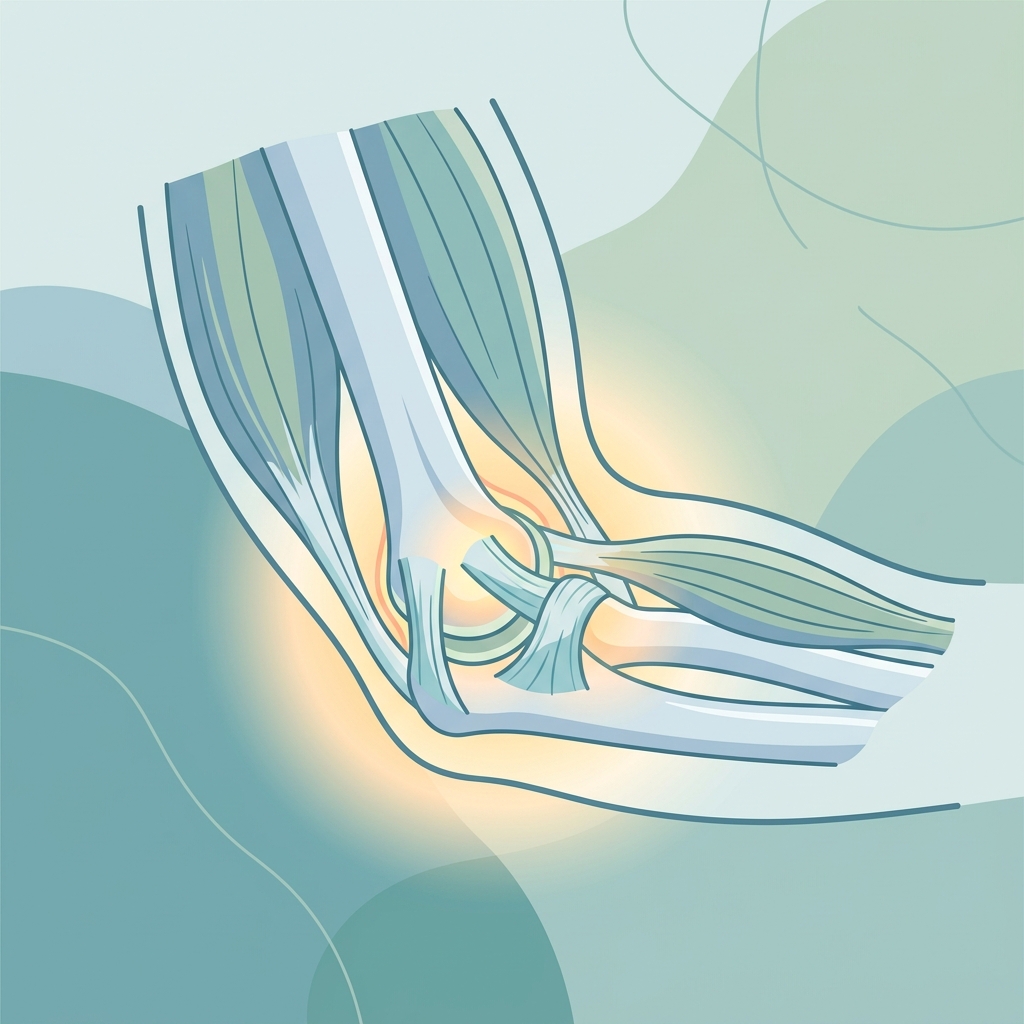
Rheumatoid Arthritis of the Elbow
Get Clear, Concise Answers to Your Top Questions About Rheumatoid Arthritis of the Elbow
Q1. What is rheumatoid arthritis (RA) of the elbow?
Rheumatoid arthritis (RA) is a chronic, autoimmune disease where the body’s immune system mistakenly attacks its own healthy joint tissues. When it affects the elbow, RA causes painful inflammation of the synovium—the thin lining that surrounds and lubricates the joint. Over time, this persistent inflammation can damage the joint cartilage and bones, leading to pain, stiffness, instability, and loss of normal elbow movement.
Q2. How does rheumatoid arthritis affect the elbow joint structure?
In a healthy elbow, the joint is lined by a smooth tissue called the synovium, which produces fluid to help the joint move smoothly. In rheumatoid arthritis, the immune system attacks the synovium, causing it to thicken, swell, and form a destructive tissue called pannus. This pannus releases enzymes that gradually eat away at the protective cartilage covering the bone ends, and eventually erode the bone itself. As the joint structures wear down, the ligaments that support the elbow can stretch and weaken, leading to joint instability, deformity, and severe stiffness.
Q3. What causes rheumatoid arthritis of the elbow?
The exact cause of rheumatoid arthritis is not fully understood, but it is known to be an autoimmune disorder. This means your immune system, which normally protects your body from infections, becomes confused and attacks the lining of your joints. Researchers believe a combination of genetic factors, environmental triggers (such as smoking or infections), and hormonal changes may make some individuals more susceptible to developing the disease. RA is a systemic condition, meaning it typically affects multiple joints throughout the body, often on both sides (symmetrically).
Q4. What are the common symptoms of elbow rheumatoid arthritis?
Symptoms of rheumatoid arthritis in the elbow can vary in severity and typically develop gradually. Common symptoms include:
- A deep, dull ache or throbbing pain in the elbow, which is often worse in the morning or after periods of rest.
- Persistent swelling, warmth, and redness around the elbow joint.
- Morning stiffness that lasts for more than 30 to 60 minutes.
- Difficulty bending or straightening the arm completely.
- A feeling of instability or \"giving way\" in the joint.
- Numbness or tingling in the ring and pinky fingers if the swelling compresses the nearby ulnar nerve.
Q5. How is rheumatoid arthritis of the elbow diagnosed?
Diagnosing rheumatoid arthritis of the elbow involves a combination of medical history, physical examination, and diagnostic tests. Your doctor will:
- Perform a thorough physical exam to check for swelling, warmth, tenderness, and range of motion.
- Order blood tests to look for inflammatory markers (like C-reactive protein and erythrocyte sedimentation rate) and specific antibodies (such as Rheumatoid Factor and anti-CCP).
- Recommend X-rays to assess for joint space narrowing, bone erosion, and alignment changes.
- Order an MRI or ultrasound in early stages to detect soft tissue swelling and inflammation of the synovium before bone damage is visible on X-rays.
Q6. How is rheumatoid arthritis of the elbow different from osteoarthritis of the elbow?
While both conditions cause joint pain and stiffness, they have different causes and characteristics:
- Rheumatoid Arthritis (RA) is an autoimmune disease where the immune system attacks the joint lining (synovium). It is a systemic disease that usually affects multiple joints symmetrically (e.g., both elbows) and causes significant swelling and warmth.
- Osteoarthritis (OA) is a degenerative \"wear-and-tear\" condition that occurs when the protective cartilage wears down over time, often due to aging, previous trauma, or repetitive stress. It is usually localized to one joint and typically involves less severe swelling and no systemic autoimmune markers.
Q7. What non-surgical treatments are available for elbow rheumatoid arthritis?
Non-surgical treatments focus on managing pain, reducing inflammation, preserving joint function, and preventing further damage. These include:
- Rest and activity modification to avoid activities that place excessive stress on the joint.
- Applying ice packs to reduce swelling during flare-ups, or warm compresses to ease stiffness.
- Physical and occupational therapy to maintain strength, flexibility, and range of motion.
- Supportive splints or braces to stabilize the elbow and rest the joint during painful episodes.
- Corticosteroid injections directly into the joint to provide temporary, targeted relief from severe pain and inflammation.
Q8. What role do medications (like DMARDs or biologics) play in managing elbow RA?
Medications are the cornerstone of managing rheumatoid arthritis because they target the underlying disease process rather than just relieving symptoms. Disease-Modifying Anti-Rheumatic Drugs (DMARDs), such as methotrexate, help slow down the progression of the disease and prevent joint damage. Biologic therapies target specific parts of the immune system to block inflammation. Nonsteroidal anti-inflammatory drugs (NSAIDs) and low-dose oral corticosteroids are also used to manage pain and swelling during flare-ups.
Q9. When is surgery recommended for rheumatoid arthritis of the elbow?
Surgery is recommended when non-surgical treatments, including optimal medical management, fail to control pain or preserve function. Indicators for surgery include:
- Severe, chronic pain that interferes with sleep and daily activities (like eating, dressing, or hygiene).
- Progressive joint destruction, bone loss, or deformity visible on imaging.
- Significant loss of elbow range of motion that restricts functional use of the arm.
- Joint instability or severe weakness.
- Persistent, painful swelling that does not respond to medications (synovitis).
Q10. What types of surgical options are available for elbow RA?
The choice of surgery depends on the stage of the disease, the extent of joint damage, and the patient's age and activity level. Common surgical options include:
- Synovectomy: Removal of the inflamed joint lining (synovium) in the early stages to reduce pain and protect cartilage.
- Arthroscopic Debridement: Cleaning out loose bone fragments, inflamed tissue, and bone spurs using a small camera and instruments.
- Interposition Arthroplasty: Reshaping the joint and placing a piece of tissue (like a tendon) between the bones to allow smoother movement.
- Total Elbow Arthroplasty (Elbow Replacement): Replacing the damaged joint surfaces with metal and plastic implants.
Q11. What is a synovectomy and how does it help elbow RA?
A synovectomy is a surgical procedure where the inflamed, diseased lining of the joint (the synovium) is removed. This can be performed through an open incision or arthroscopically (using small incisions and a camera). By removing the tissue that is actively releasing destructive enzymes, a synovectomy can significantly reduce pain, decrease swelling, and slow down the destruction of the cartilage. It is most effective in the early-to-moderate stages of RA before significant cartilage damage or bone erosion has occurred.
Q12. What does elbow replacement surgery (total elbow arthroplasty) involve for RA?
Total elbow replacement (total elbow arthroplasty) is a major surgical procedure used for advanced elbow rheumatoid arthritis with severe joint damage. During the surgery, the surgeon removes the damaged bone ends of the humerus, ulna, and radius. The surgeon then implants artificial metal and plastic components into the canals of the bones, which are typically secured with bone cement. The implants are linked together with a pin to create a hinge joint, restoring smooth, pain-free movement to the elbow.
Q13. What is the recovery process like after elbow surgery for rheumatoid arthritis?
Recovery depends on the type of surgery performed. After a synovectomy or debridement, patients typically wear a soft dressing and start gentle motion exercises within a few days. Recovery takes about 6 to 12 weeks. Following a total elbow replacement, the arm may be placed in a splint to protect the healing tissues. Rehabilitation begins early with guided physical therapy to restore movement. Patients must follow lifetime lifting restrictions (usually limited to 5 to 10 pounds) to prevent premature wear or loosening of the implant. Full recovery can take 3 to 6 months.
Q14. What exercises or rehabilitation are safe for patients with elbow RA?
Exercises for elbow rheumatoid arthritis should focus on maintaining range of motion and joint flexibility without overloading the joint. Safe exercises include:
- Gentle active range-of-motion exercises, such as slowly bending and straightening the elbow, and rotating the forearm (palm up and palm down).
- Isometric strengthening exercises, where muscles are contracted without moving the joint, to preserve muscle support around the elbow.
- Low-impact activities, like swimming or water aerobics, which support the joints while keeping muscles active.
- Always consult your physical therapist to design a personalized exercise program, and avoid lifting heavy weights or performing high-impact, repetitive motions.
Q15. What is the long-term outlook for someone living with rheumatoid arthritis of the elbow?
With medical management, including early and aggressive treatment with DMARDs and biologics, the long-term outlook for patients with elbow RA has improved dramatically. Many patients can successfully manage their symptoms and prevent severe joint destruction. If joint damage does progress, surgical treatments like synovectomy or total elbow replacement are highly effective at relieving pain, restoring function, and allowing patients to perform daily activities with greater independence and a higher quality of life.
We encourage you to write down any specific questions you have and discuss them thoroughly with your surgeon, doctor, or physical therapist. They are your best resource for personalized advice and care.
Disclaimer: This brochure provides general information and is not a substitute for professional medical advice. Always consult your doctor or qualified healthcare provider with any questions you may have regarding your specific medical condition and treatment plan.

Related articles
Browse all articlesTrusted External Resources
Curated educational materials to help you make informed decisions about your orthopaedic bone & joint conditions.

Orthopaedia

Orthogate Patient Education