
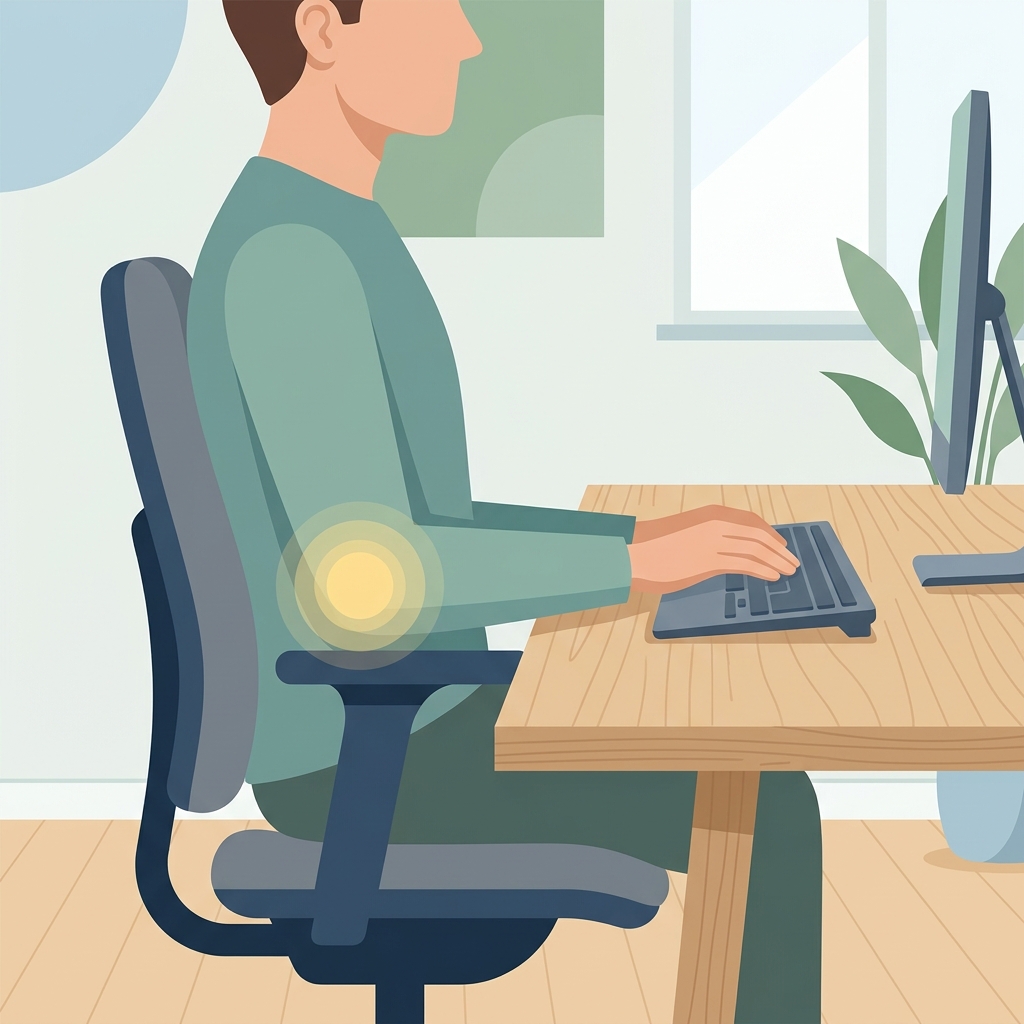
Activity Modification & Ergonomic Assessment: Strategic adjustment of load and mechanics to address repetitive strain
Get Clear, Concise Answers to Your Top Questions About Activity Modification and Ergonomic Assessment for Elbow Strain
Q1. What is activity modification and ergonomic assessment for elbow pain?
Activity modification means changing how you perform daily tasks to reduce stress on your elbow. Ergonomic assessment is a professional look at how you interact with your environment—like your desk, tools, or sports gear. Together, they form a strategic plan to adjust your posture, movements, and work habits. This stops repetitive strain and gives your elbow the chance it needs to heal.
Q2. How do activity modification and ergonomic changes help heal repetitive strain injuries?
Repetitive strain occurs when a tendon or nerve is constantly overloaded. Imagine bending a paperclip back and forth; eventually, it weakens and breaks. By changing your mechanics and adjusting your tools, you reduce the direct force on the injured tissue. This lower load allows your body's natural healing processes to repair the micro-tears in the tendon, rather than constantly re-injuring them.
Q3. What types of elbow conditions benefit most from these strategic adjustments?
Several common conditions respond exceptionally well to these changes, including:
- Tennis Elbow (Lateral Epicondylitis): Pain on the outside of the elbow.
- Golfer's Elbow (Medial Epicondylitis): Pain on the inside of the elbow.
- Cubital Tunnel Syndrome: Irritation or pinching of the ulnar nerve.
- Radial Tunnel Syndrome: Compression of the radial nerve.
- Triceps and Biceps Tendonitis: Inflammation of the tendons at the back or front of the elbow.
Q4. What does an ergonomic assessment of the elbow involve?
An assessment looks at your entire workspace or activity setup. We evaluate:
- Workstation layout: The height of your chair, desk, keyboard, and monitor.
- Body posture: How your neck, shoulders, wrists, and elbows align while working.
- Force and repetition: How much grip strength is used and how often you repeat movements.
- Tool design: The weight, size, and grip of tools or sports equipment.
- Rest cycles: The frequency and duration of breaks during repetitive tasks.
Q5. How does repetitive strain actually damage the elbow tendons and nerves?
When you repeat a motion over and over, especially with high force or poor form, the tissues cannot recover in time. In tendons, this leads to tiny micro-tears, a process called tendinosis or tendonitis. In nerves (like the ulnar nerve), repeated pressure or stretching can limit blood flow, causing numbness, tingling, and pain. These changes address the root cause of this repetitive damage.
Q6. What are the most common ergonomic mistakes that lead to elbow pain at work?
Many patient injuries stem from a few simple workspace errors:
- Reaching too far: Placing your keyboard or mouse too far forward.
- Resting elbows on hard surfaces: This puts direct pressure on the ulnar nerve at the inner elbow.
- Typing with bent wrists: Angling your wrists up, down, or sideways stresses the forearm muscles.
- Holding a tight grip: Squeezing a mouse or pen too hard increases tension in the elbow tendons.
- Desk height mismatch: Having a desk that is too high or too low forces your shoulders to shrug and elbows to bend excessively.
Q7. How should I set up my desk and computer workstation to protect my elbows?
To create an elbow-friendly workstation, try these quick changes:
- Keep the 90-degree rule: Adjust your chair so your elbows are bent at about 90 degrees, with your forearms resting parallel to the floor.
- Relax your shoulders: Your upper arms should hang naturally close to your sides.
- Position your mouse and keyboard: Keep them close to your body so you do not have to stretch or reach.
- Avoid resting on hard armrests: Use padded rests or avoid resting your elbows directly while actively typing.
- Use a soft touch: Type lightly and use a mouse that fits the natural shape of your hand.
Q8. Can small adjustments in my sports or exercise technique help my elbow recover?
Yes. In sports like tennis, golf, or weightlifting, poor technique is a major source of elbow strain. For example:
- Tennis: Hitting a backhand with a bent wrist puts huge stress on the outer elbow. Keeping your wrist firm and hitting with your whole body reduces this load.
- Golf: Grip pressure that is too tight can cause golfer's elbow. Loosening your grip can prevent strain.
- Weightlifting: Avoid locking out your elbows under heavy loads and keep your wrists straight during curls or presses.
Q9. What is "strategic load management," and how do I apply it daily?
Strategic load management is about balancing activity with recovery. Instead of stopping all activity, you modify the intensity, duration, and frequency of tasks. To apply it:
- Use the rule of thirds: If you normally type for three hours straight, break it into three one-hour blocks with short, active rests in between.
- Alternate tasks: Switch between keyboard work, phone calls, and meetings to give your arm different motions.
- Track symptoms: If an activity makes your pain flare up, reduce the force or duration by 20% to 30% until the pain subsides.
Q10. Is "complete rest" necessary, or should I keep moving my elbow?
Complete rest (like putting your arm in a sling or not moving it at all) is rarely recommended for repetitive strain. It can lead to joint stiffness, muscle weakness, and poor tendon healing. Instead, we advocate for "dynamic rest"—staying active with light, pain-free movements while avoiding the specific actions that aggravate your symptoms. This keeps blood flowing, which actually speeds up tendon repair.
Q11. Are there specific tools, braces, or ergonomic aids I should use?
Yes, several simple tools can make a significant difference:
- Ergonomic keyboards: Split or angled keyboards help keep your wrists in a neutral position.
- Vertical mice: These allow your hand to rest in a natural handshake position, reducing forearm twist.
- Counterforce braces: A strap worn just below the elbow can help distribute forces away from the injured tendon.
- Padded elbow sleeves: These keep the joint warm and protect the ulnar nerve from direct bumps or pressure.
Q12. What role does posture play in elbow pain and repetitive strain?
Your body is fully connected. Poor posture in your neck and shoulders can pinch nerves or overload muscles further down your arm. For instance, a forward-head posture and rounded shoulders can compress nerves at the spine or collarbone, leading to pain, tingling, or weakness in your elbow and hand. Improving your core and upper-body posture is a key part of resolving elbow issues.
Q13. How long does it take to see improvement after making these mechanical adjustments?
Tendon healing is a slow process because tendons have a limited blood supply. You can expect to see initial relief within 2 to 4 weeks of making ergonomic changes. However, full recovery of a damaged tendon often takes 3 to 6 months of consistent load management and rehabilitation. Patience and consistency are vital.
Q14. What should I do if my elbow pain doesn't improve despite activity modification?
If your pain does not improve after 4 to 6 weeks of consistent modifications, you should consult an orthopedic specialist. We may recommend:
- Targeted physical therapy: To stretch and strengthen specific forearm and shoulder muscles.
- Injections: Such as platelet-rich plasma (PRP) or steroid injections to calm inflammation and stimulate healing.
- Advanced imaging: An ultrasound or MRI to check for severe tears or other internal issues.
Q15. Can ergonomic assessments and activity modifications prevent the need for elbow surgery?
Absolutely. Over 90% of patients with repetitive strain injuries of the elbow recover fully with non-surgical treatments. By identifying and fixing the mechanical stress that caused the injury in the first place, you stop the wear-and-tear cycle. This allows the elbow to heal naturally and prevents the need for surgical intervention.
We encourage you to write down any specific questions you have and discuss them thoroughly with your surgeon, doctor, or physical therapist. They are your best resource for personalized advice and care.
Disclaimer: This brochure provides general information and is not a substitute for professional medical advice. Always consult your doctor or qualified healthcare provider with any questions you may have regarding your specific medical condition and treatment plan.

Related articles
Browse all articlesTrusted External Resources
Curated educational materials to help you make informed decisions about your orthopaedic bone & joint conditions.

Orthopaedia

Orthogate Patient Education